We use cookies to run the store, to measure how it is used, and to measure our advertising. You can opt out of advertising measurement and session recording at any time. Privacy Policy

🍂 2026 Fall Sale — up to 25% off
Ends 10/1/2026, 2:18:00 AM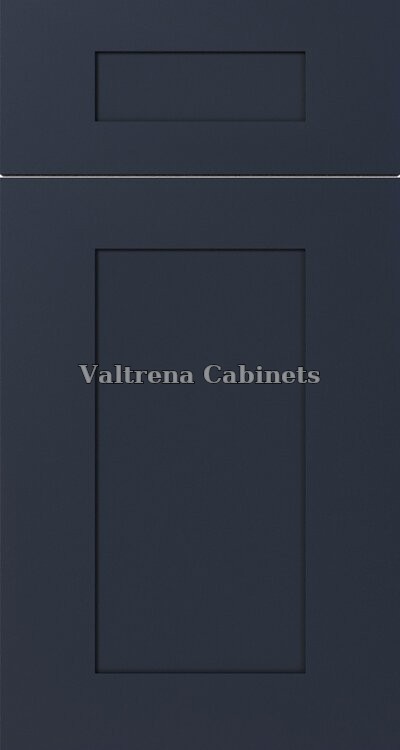
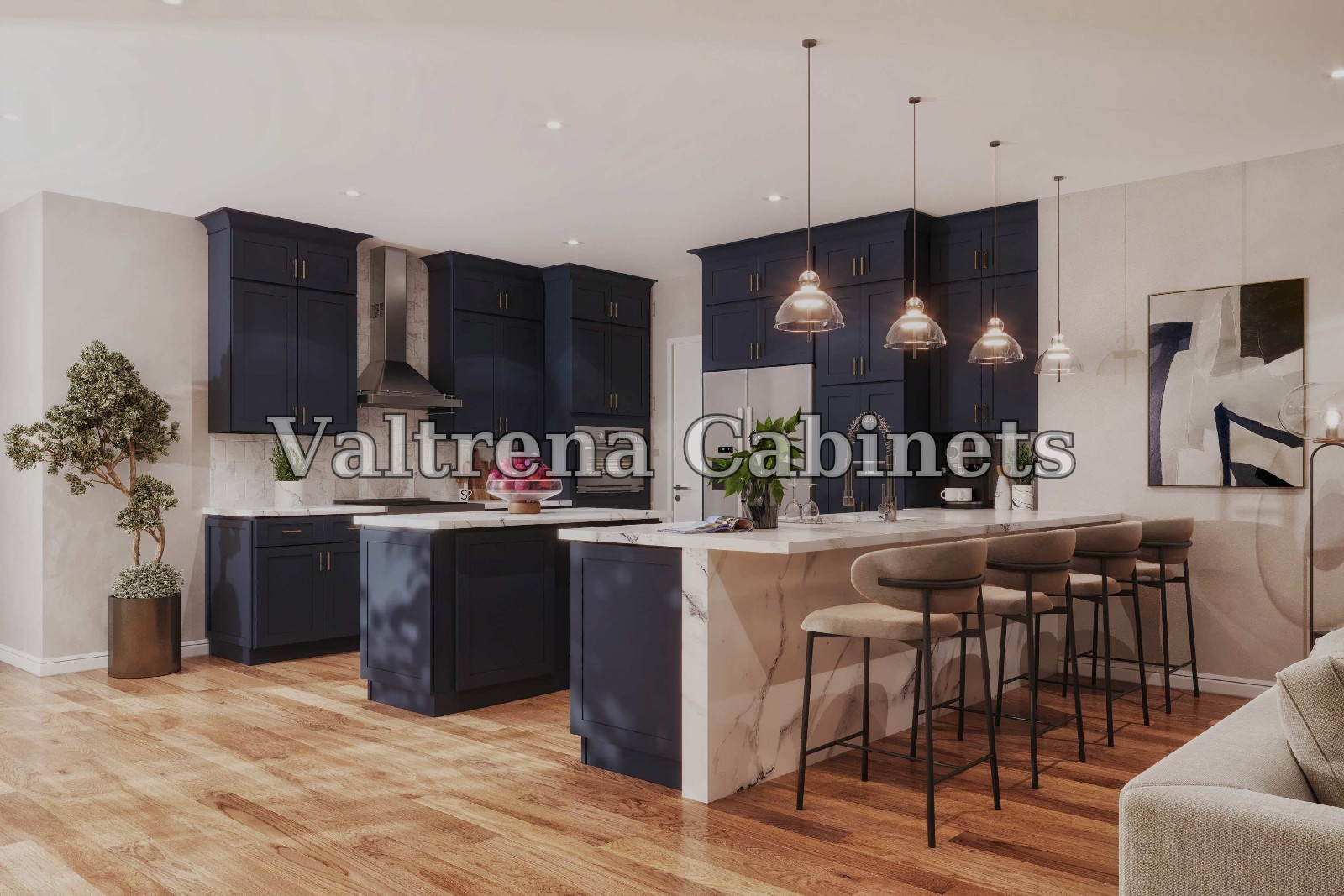
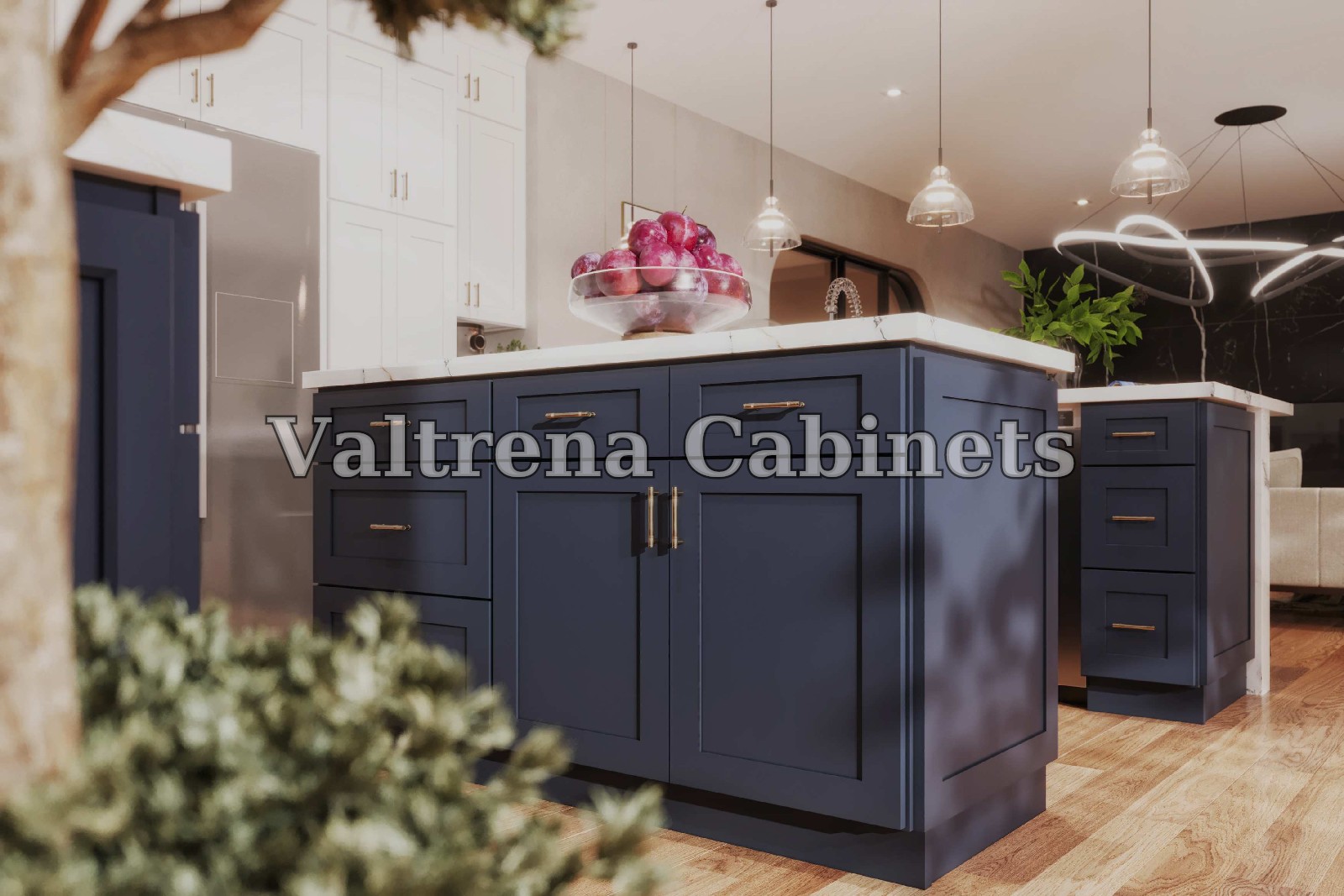
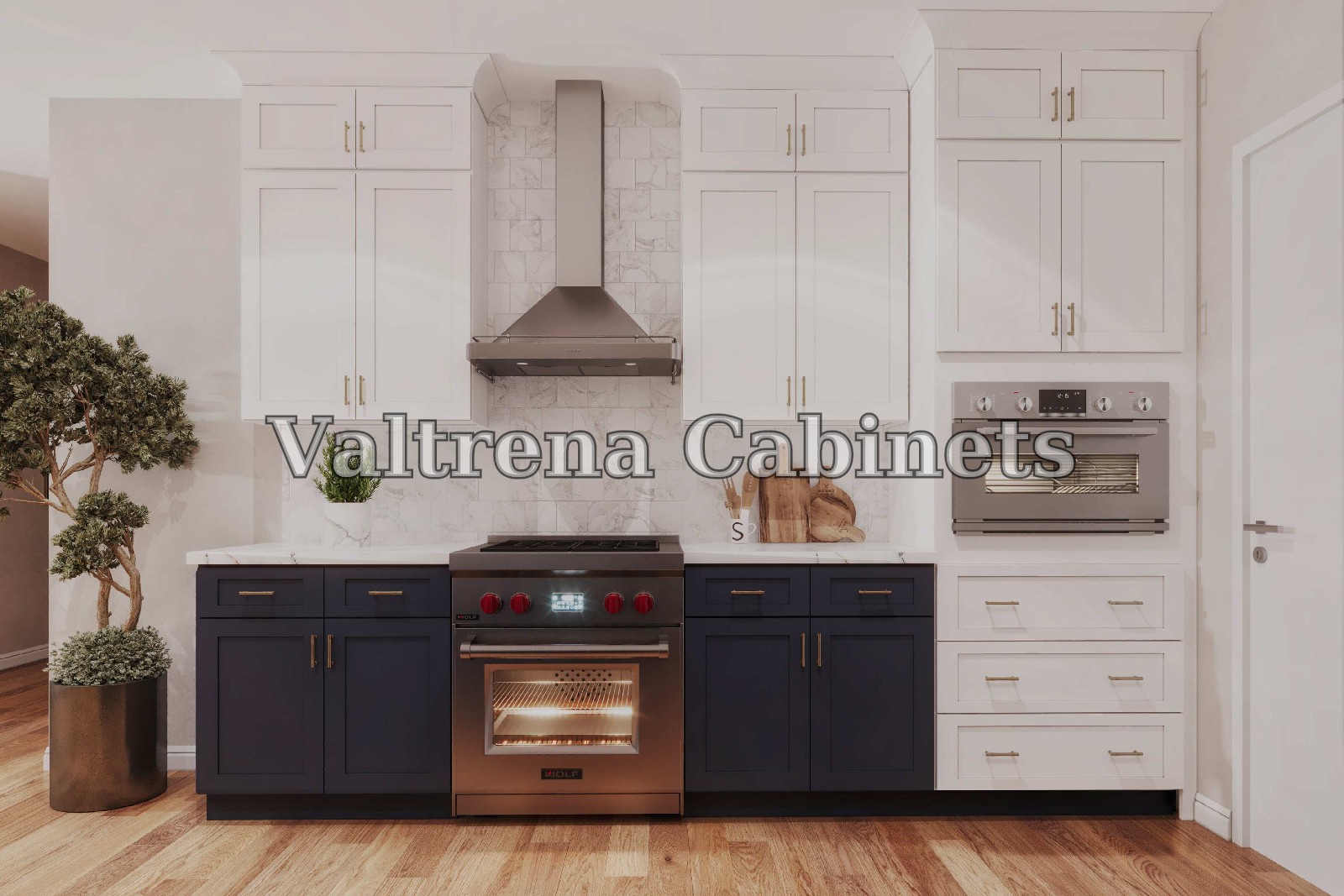
Navy Blue
Navy Blue cabinet collection
 CARB Phase 2
 KCMA Certified
 NGBS
NGBS TSCA Title VI
Stock can change at any time, and some models may sell out without notice.
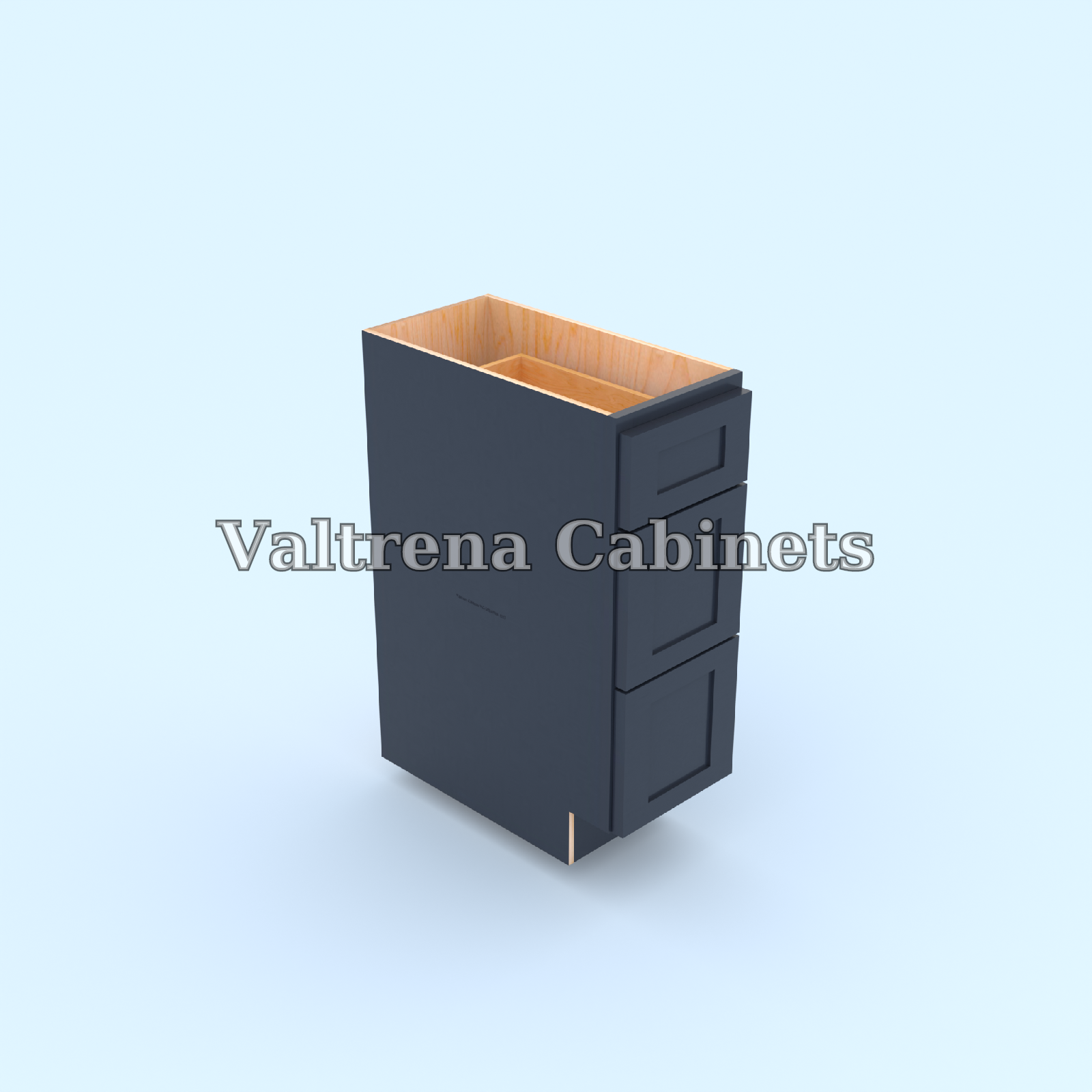
The slot beside the range that makes cooking calmer: spices in the top drawer, foil and wrap in the middle, cutting boards standing on edge in the bottom. Twelve inches of drawers, every one of them used daily.
About three-drawer base cabinets
Three drawers instead of a door, so nothing hides at the back: pull the drawer and everything is in front of you. The shallow top drawer takes flatware, utensils, and lids. The two deep drawers below hold pots, pans, mixing bowls, or stacked plates. Drawer bases cost more than door cabinets, so most kitchens use them where they get opened every day: beside the range and near the dishwasher.
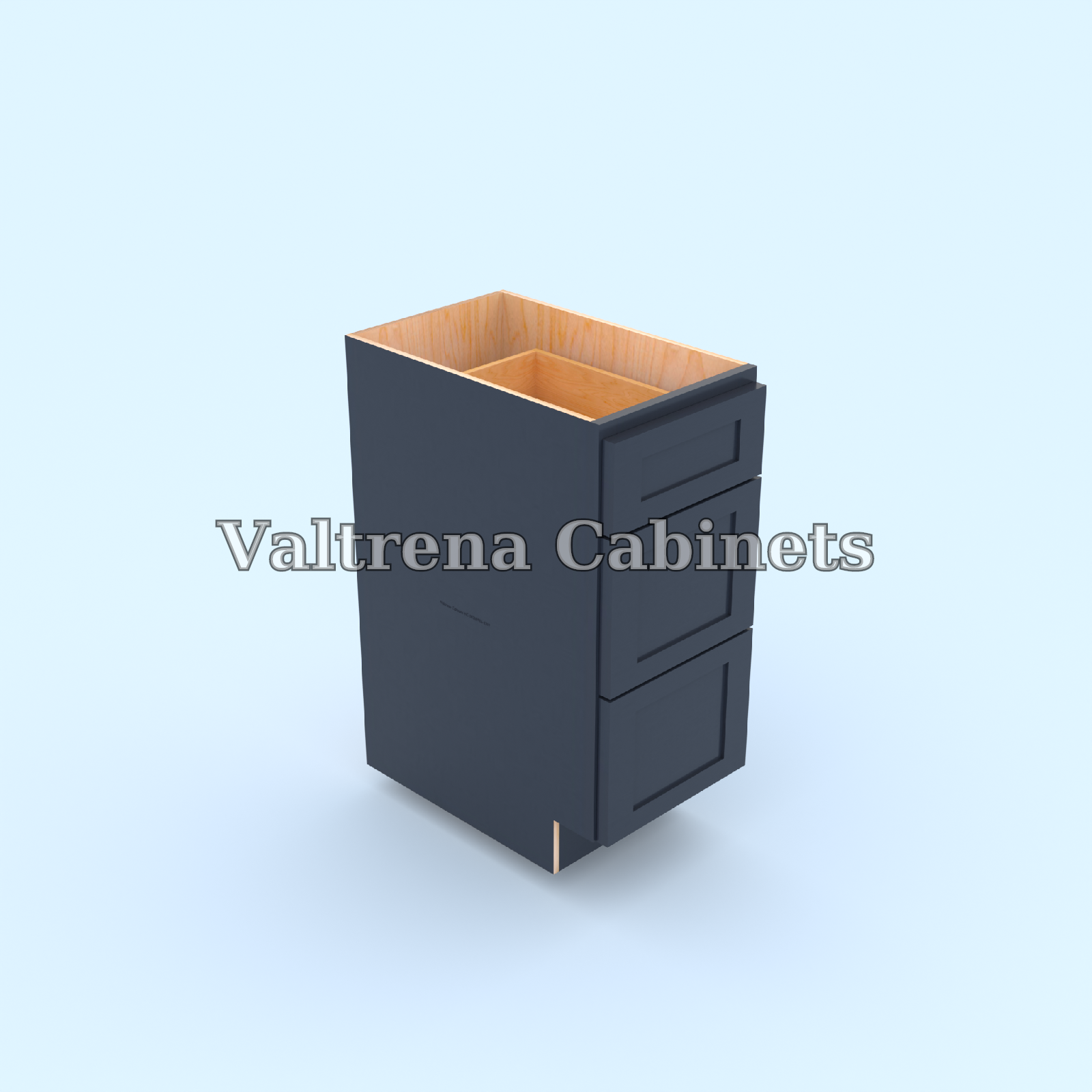
A baking drawer stack: measuring cups and spoons on top, the rolling pin and cookie cutters in the middle, mixing bowls nested in the bottom. Fifteen inches fits where a range meets a corner.
About three-drawer base cabinets
Three drawers instead of a door, so nothing hides at the back: pull the drawer and everything is in front of you. The shallow top drawer takes flatware, utensils, and lids. The two deep drawers below hold pots, pans, mixing bowls, or stacked plates. Drawer bases cost more than door cabinets, so most kitchens use them where they get opened every day: beside the range and near the dishwasher.
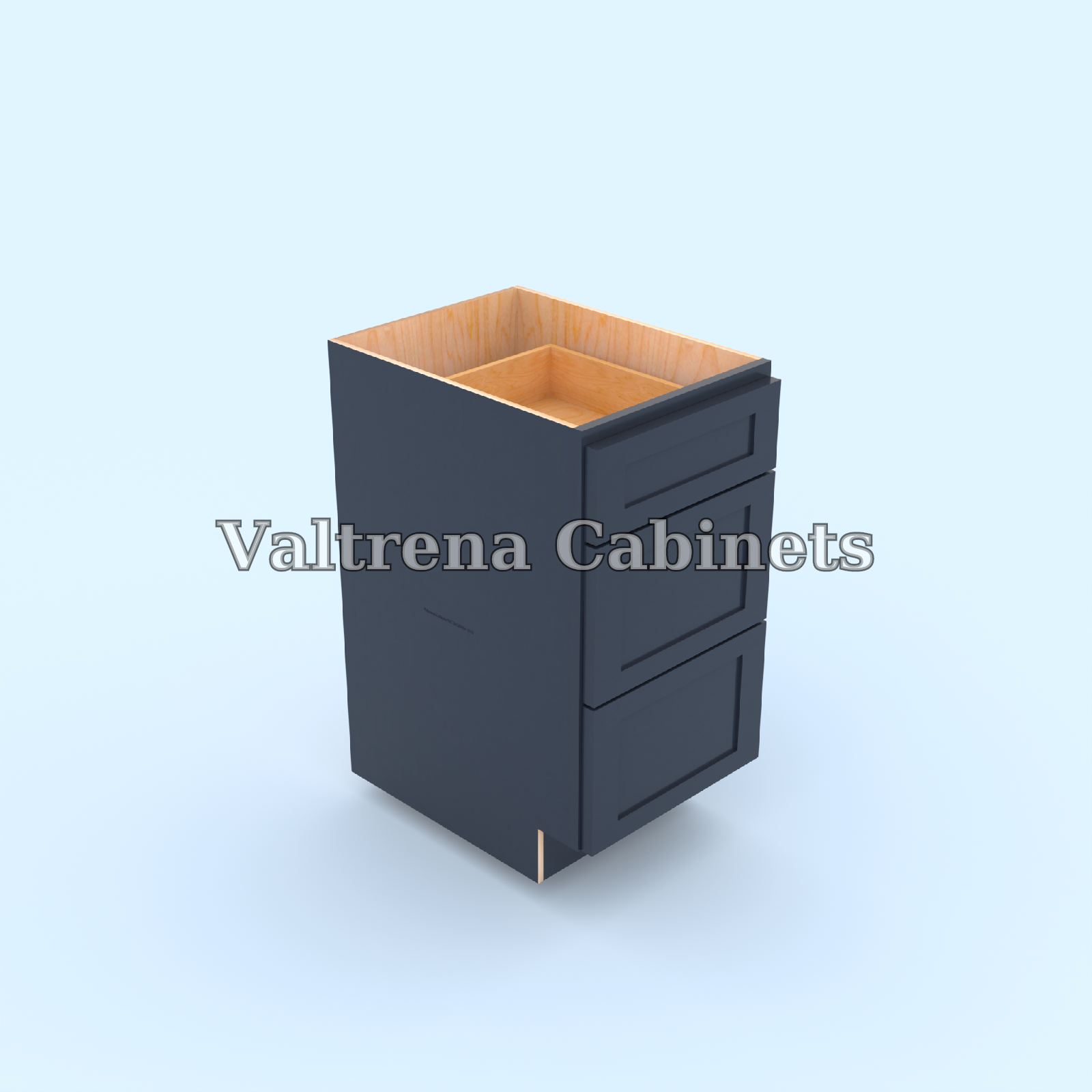
Three drawers within arm's reach of the stove: the flatware tray on top, cooking utensils in the middle, sheet pans and casserole dishes flat in the bottom. Eighteen inches is the everyday size on either side of a range.
About three-drawer base cabinets
Three drawers instead of a door, so nothing hides at the back: pull the drawer and everything is in front of you. The shallow top drawer takes flatware, utensils, and lids. The two deep drawers below hold pots, pans, mixing bowls, or stacked plates. Drawer bases cost more than door cabinets, so most kitchens use them where they get opened every day: beside the range and near the dishwasher.
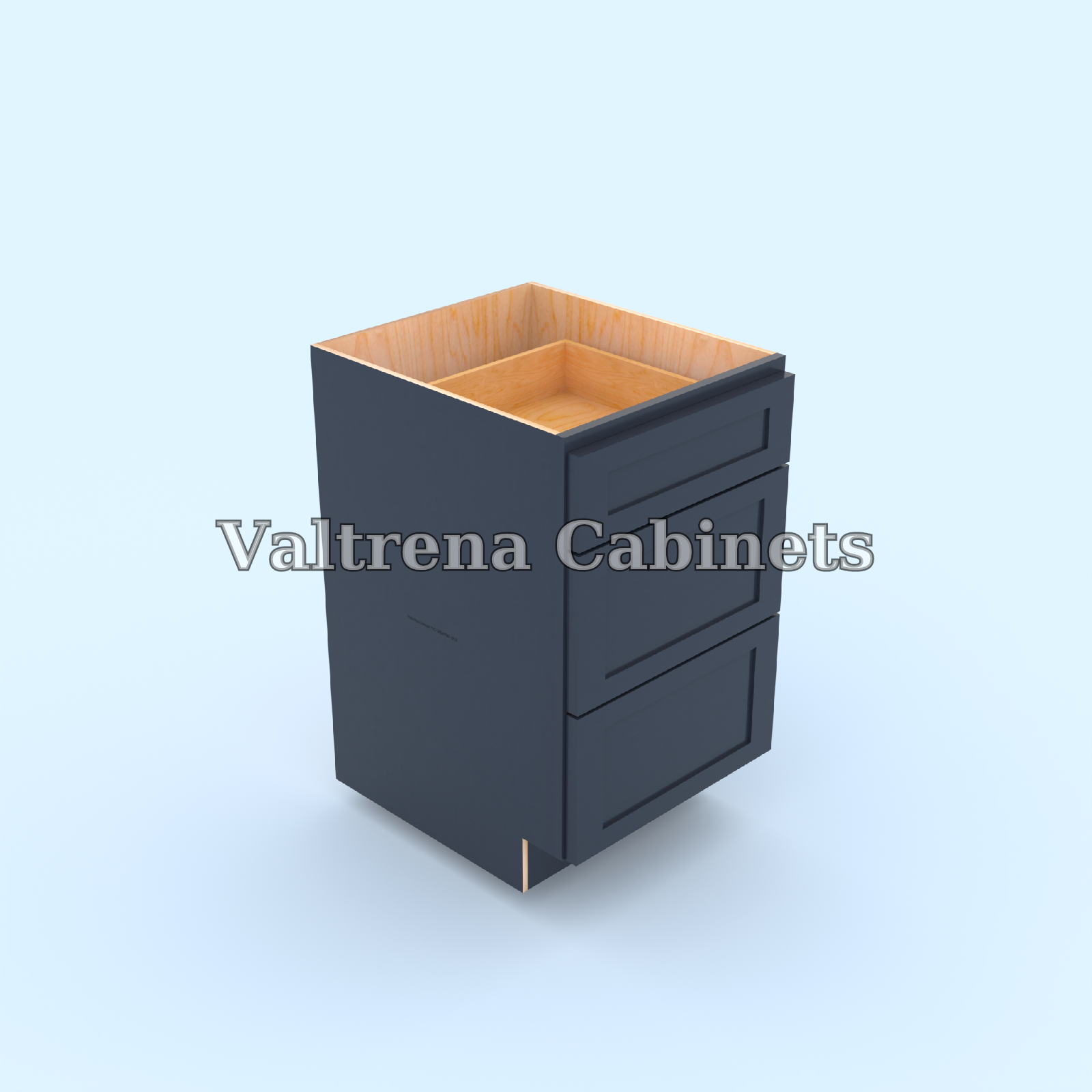
For a run with 21" left over: the silverware tray on top, food-storage containers with their lids in the middle, mixing bowls in the bottom. Three inches more than the 18, so the containers stop fighting for space.
About three-drawer base cabinets
Three drawers instead of a door, so nothing hides at the back: pull the drawer and everything is in front of you. The shallow top drawer takes flatware, utensils, and lids. The two deep drawers below hold pots, pans, mixing bowls, or stacked plates. Drawer bases cost more than door cabinets, so most kitchens use them where they get opened every day: beside the range and near the dishwasher.
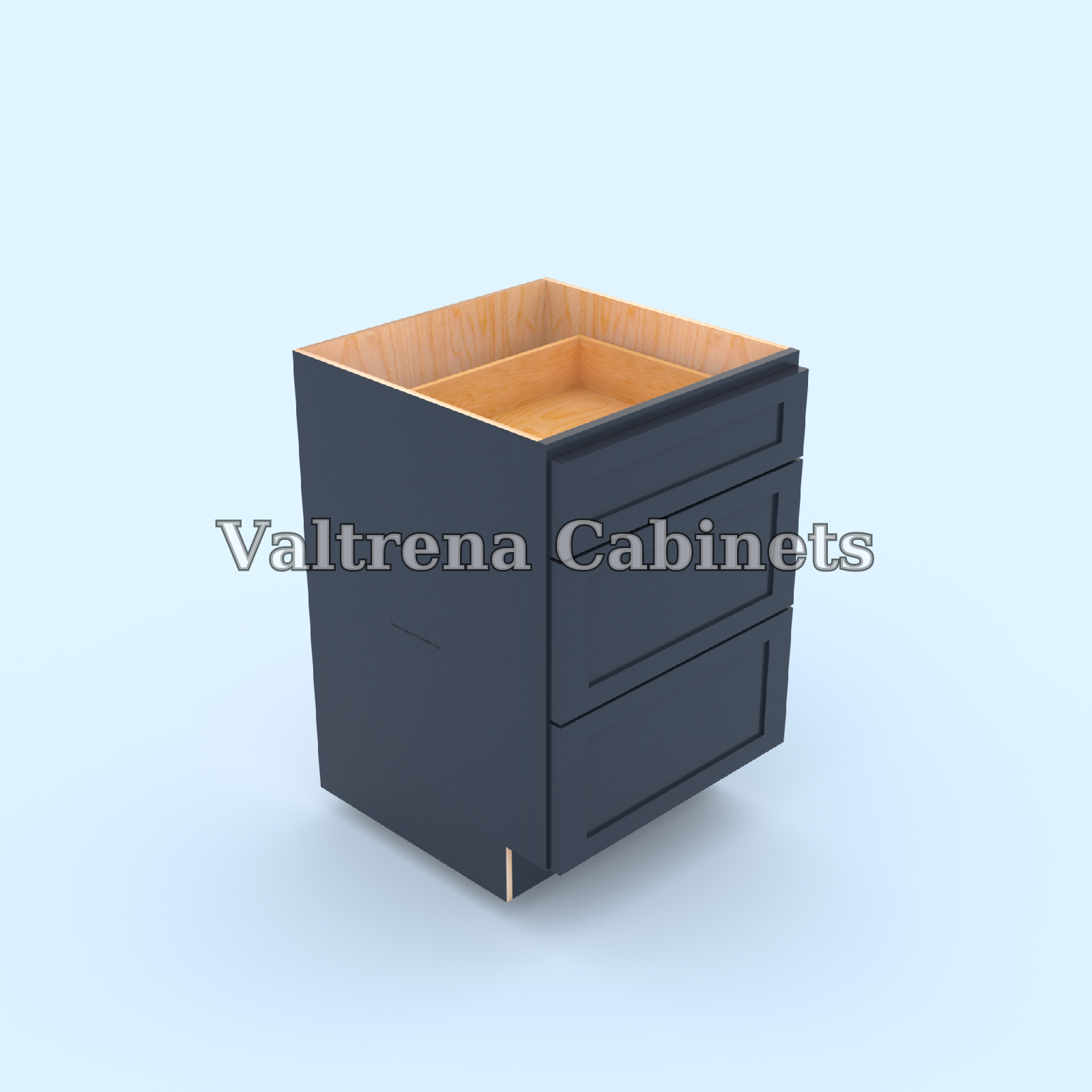
Picture unloading the dishwasher: silverware tray on top, bowls in the middle, dinner plates stacked in the bottom, done in a minute without opening a door. That is the 24" drawer base beside the dishwasher. Two back to back make one side of a 48" island.
About three-drawer base cabinets
Three drawers instead of a door, so nothing hides at the back: pull the drawer and everything is in front of you. The shallow top drawer takes flatware, utensils, and lids. The two deep drawers below hold pots, pans, mixing bowls, or stacked plates. Drawer bases cost more than door cabinets, so most kitchens use them where they get opened every day: beside the range and near the dishwasher.
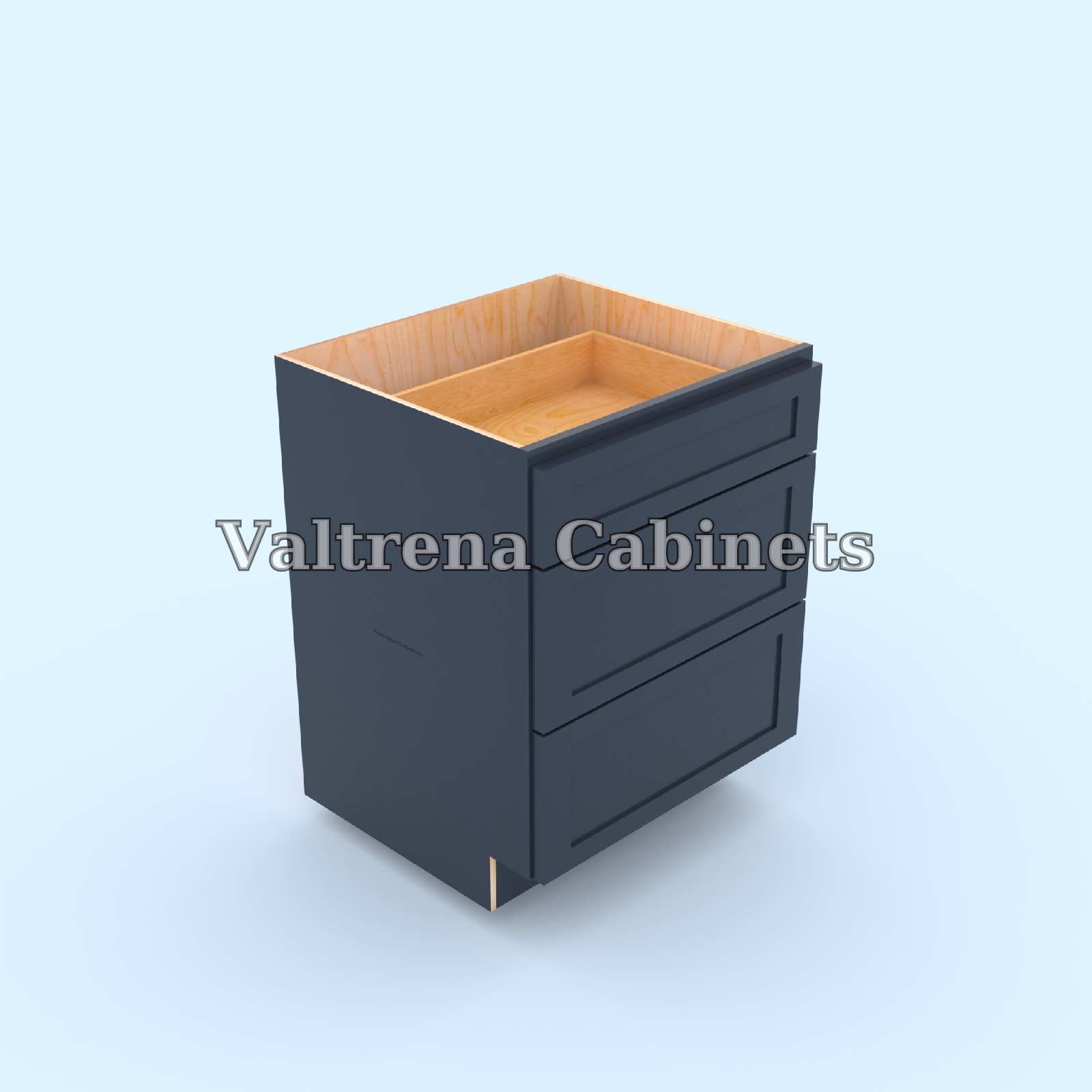
The same dishwasher-side stack as the 24 with 3" more, for a wall where a 24 would leave a filler strip: silverware on top, bowls and cups in the middle, plates in the bottom.
About three-drawer base cabinets
Three drawers instead of a door, so nothing hides at the back: pull the drawer and everything is in front of you. The shallow top drawer takes flatware, utensils, and lids. The two deep drawers below hold pots, pans, mixing bowls, or stacked plates. Drawer bases cost more than door cabinets, so most kitchens use them where they get opened every day: beside the range and near the dishwasher.
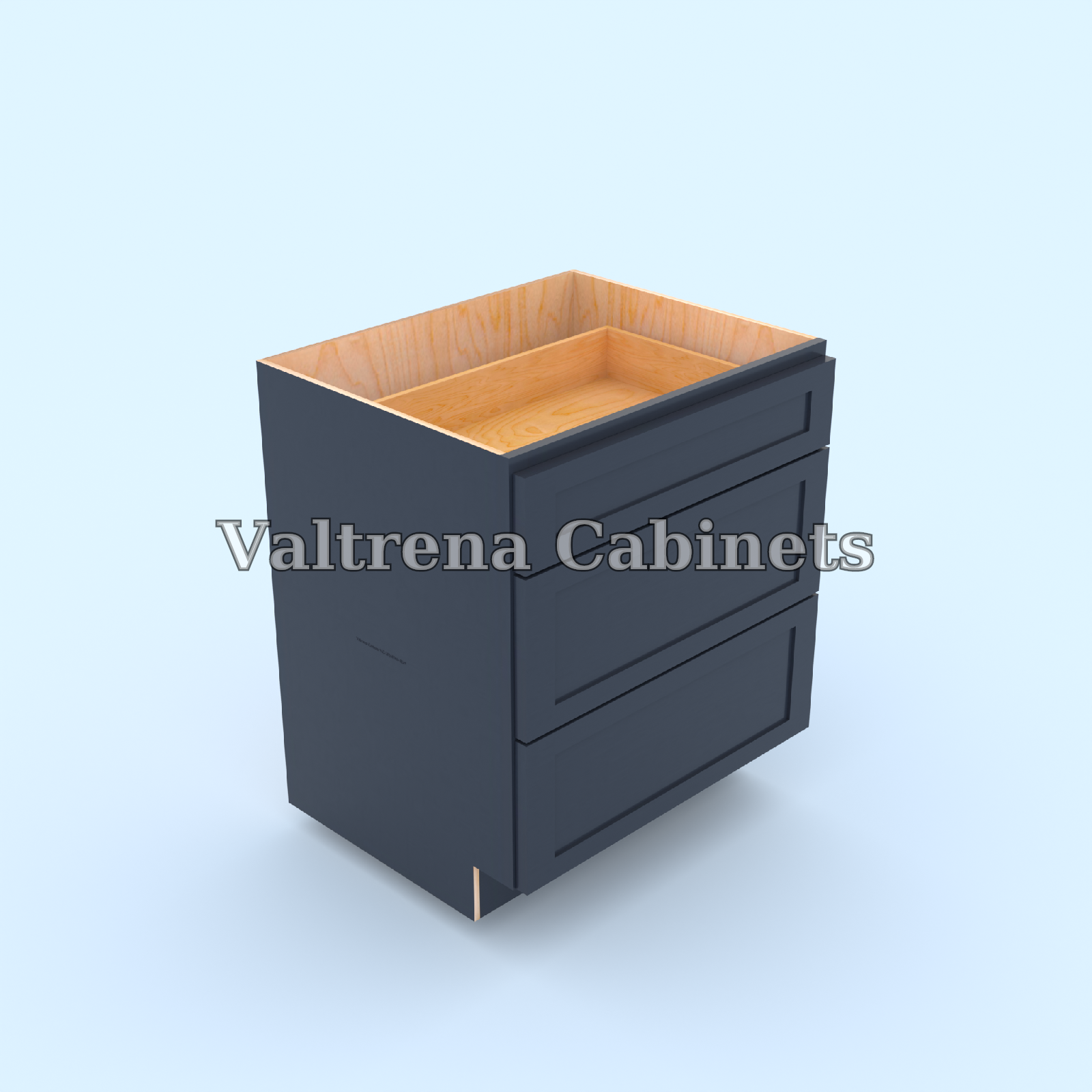
The pots-and-pans drawer beside a 30" range: a skillet and a stockpot side by side in the bottom drawer, saucepans in the middle, lids and spatulas on top. No more crouching to dig a pot out of the back.
About three-drawer base cabinets
Three drawers instead of a door, so nothing hides at the back: pull the drawer and everything is in front of you. The shallow top drawer takes flatware, utensils, and lids. The two deep drawers below hold pots, pans, mixing bowls, or stacked plates. Drawer bases cost more than door cabinets, so most kitchens use them where they get opened every day: beside the range and near the dishwasher.
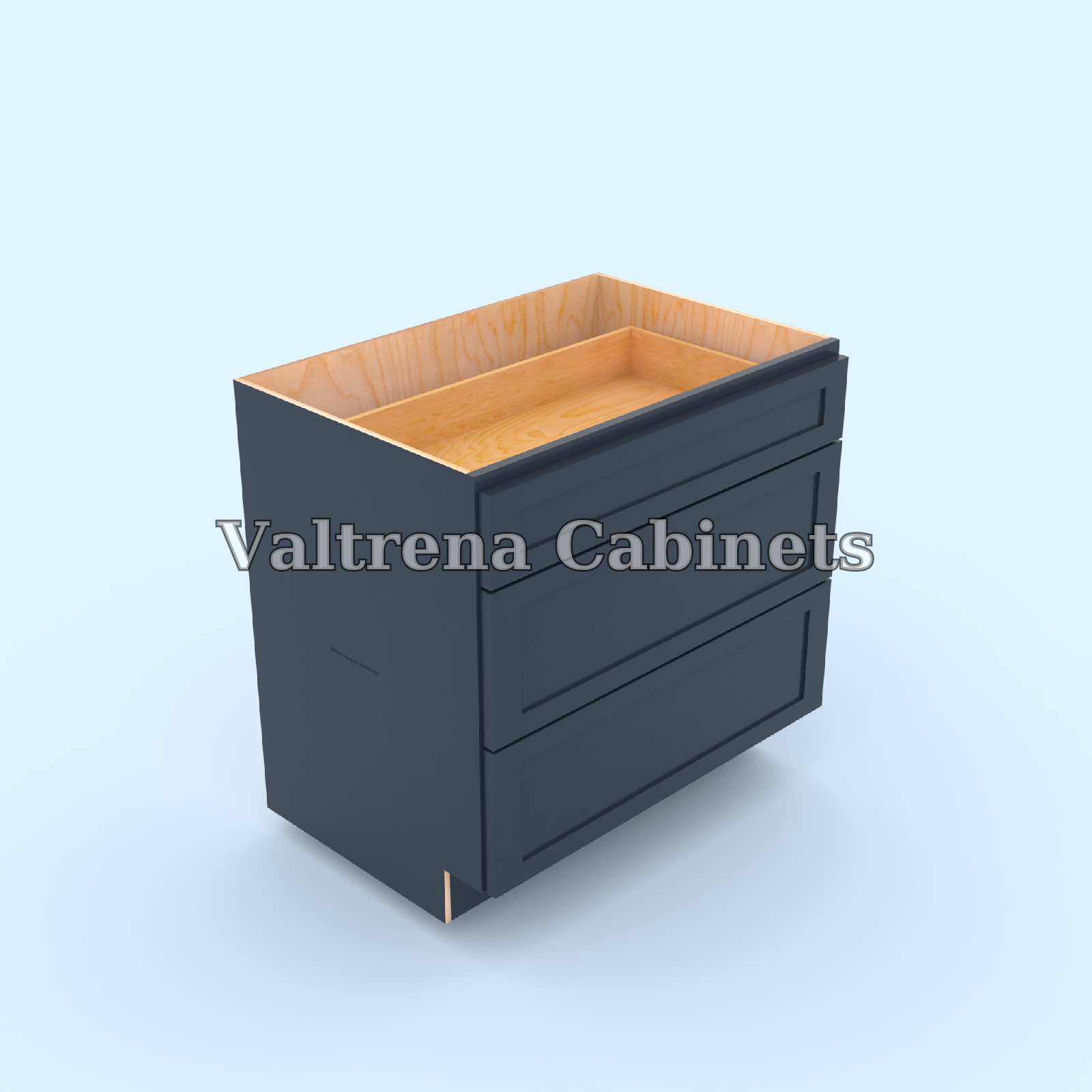
The biggest pots-and-pans drawer, the go-to under a 36" cooktop: two large skillets side by side in one deep drawer, the stockpot and Dutch oven in the other, every lid in the top drawer. Choosing between 33 and 36? Take the 36 unless the wall says no.
About three-drawer base cabinets
Three drawers instead of a door, so nothing hides at the back: pull the drawer and everything is in front of you. The shallow top drawer takes flatware, utensils, and lids. The two deep drawers below hold pots, pans, mixing bowls, or stacked plates. Drawer bases cost more than door cabinets, so most kitchens use them where they get opened every day: beside the range and near the dishwasher.
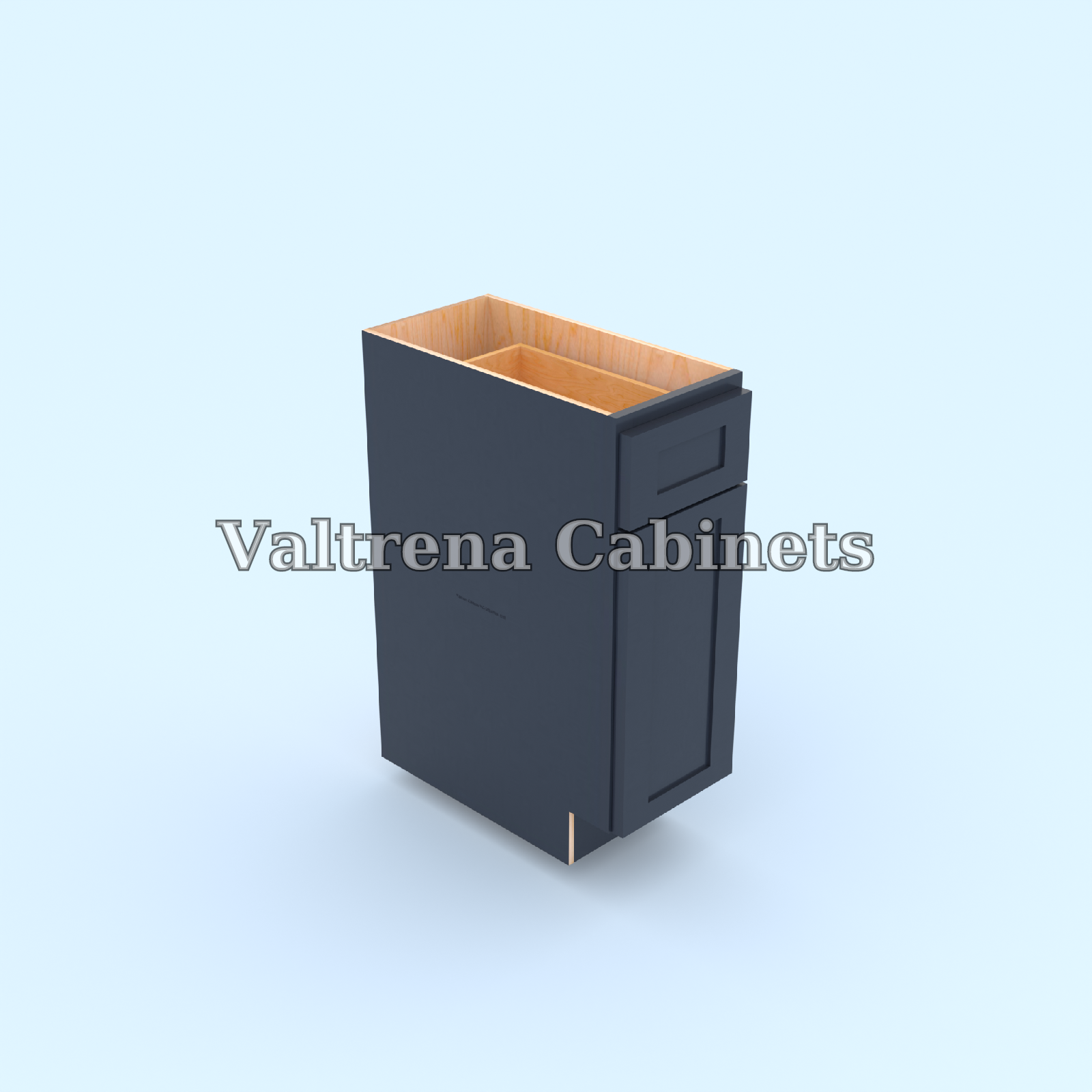
The narrow base next to the range: oils and spices in the drawer, cutting boards and sheet pans standing on edge behind the single door. Twelve inches that would otherwise be a filler strip.
About standard base cabinets
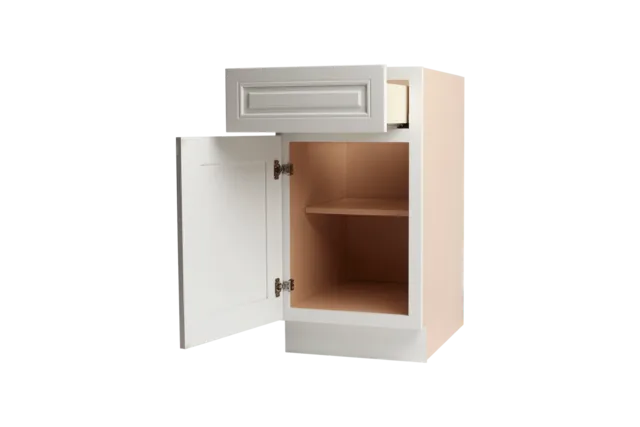
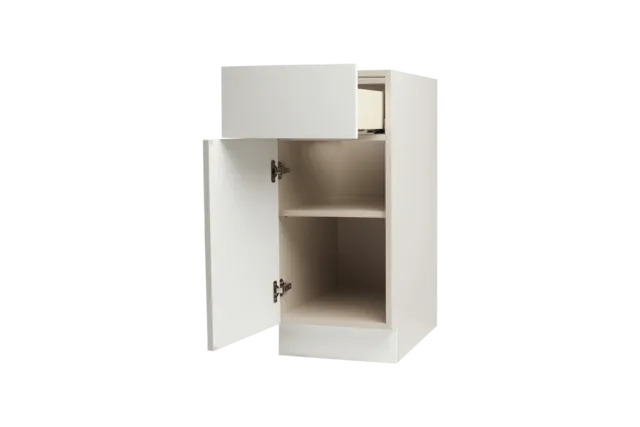
The everyday base cabinet: a shallow drawer on top for utensils and wrap, doors below with one shelf for pots, mixing bowls, or small appliances. Cheaper than a drawer base and just as useful for things you do not reach for daily. It fills most of a kitchen's lower run, and a roll-out tray can be added later if you want drawer-style access to the back.
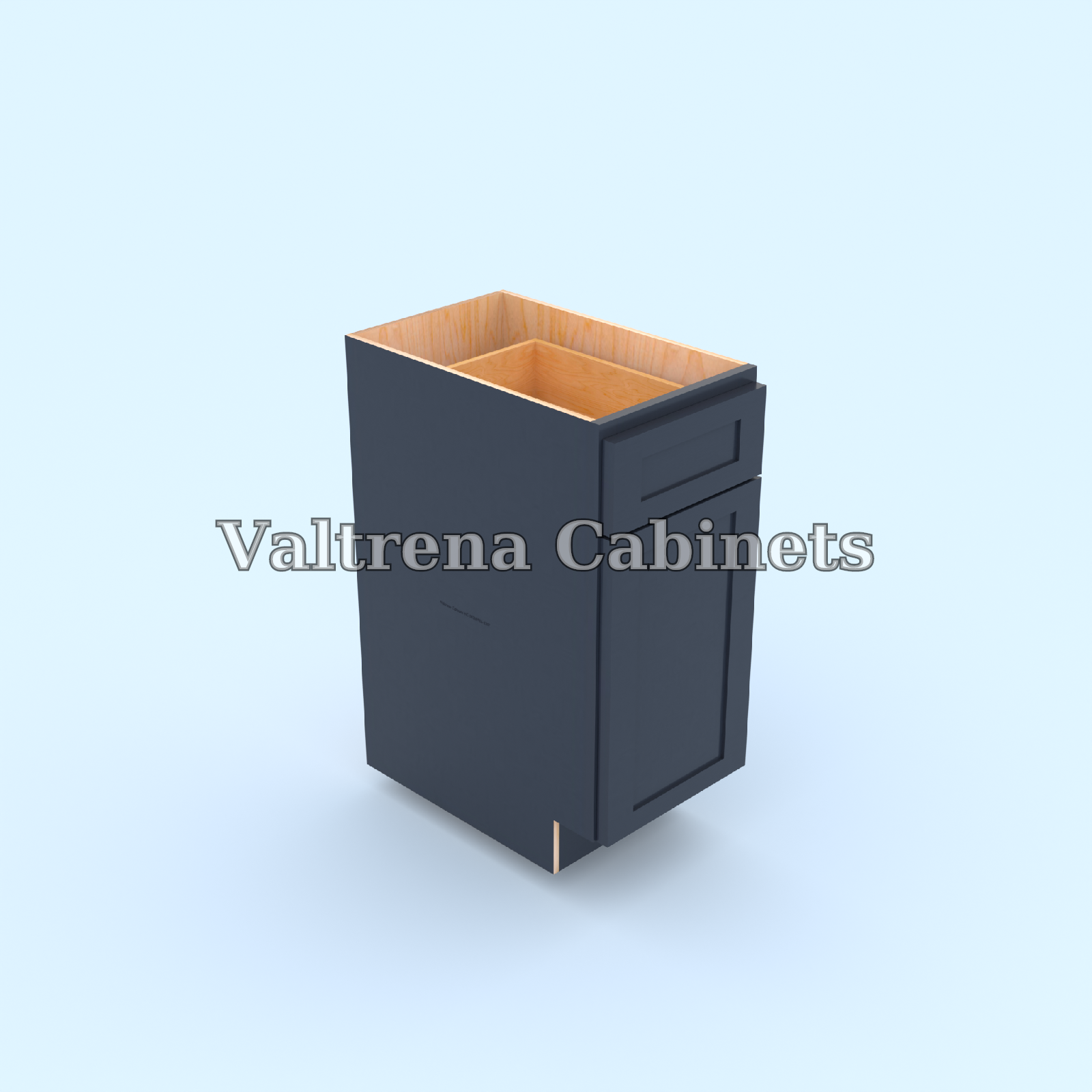
A single door and a drawer at 15": the baking cabinet, with mixing bowls and the hand mixer below and measuring tools in the drawer. Later, it is the smallest size that takes a single pull-out trash bin.
About standard base cabinets
The everyday base cabinet: a shallow drawer on top for utensils and wrap, doors below with one shelf for pots, mixing bowls, or small appliances. Cheaper than a drawer base and just as useful for things you do not reach for daily. It fills most of a kitchen's lower run, and a roll-out tray can be added later if you want drawer-style access to the back.
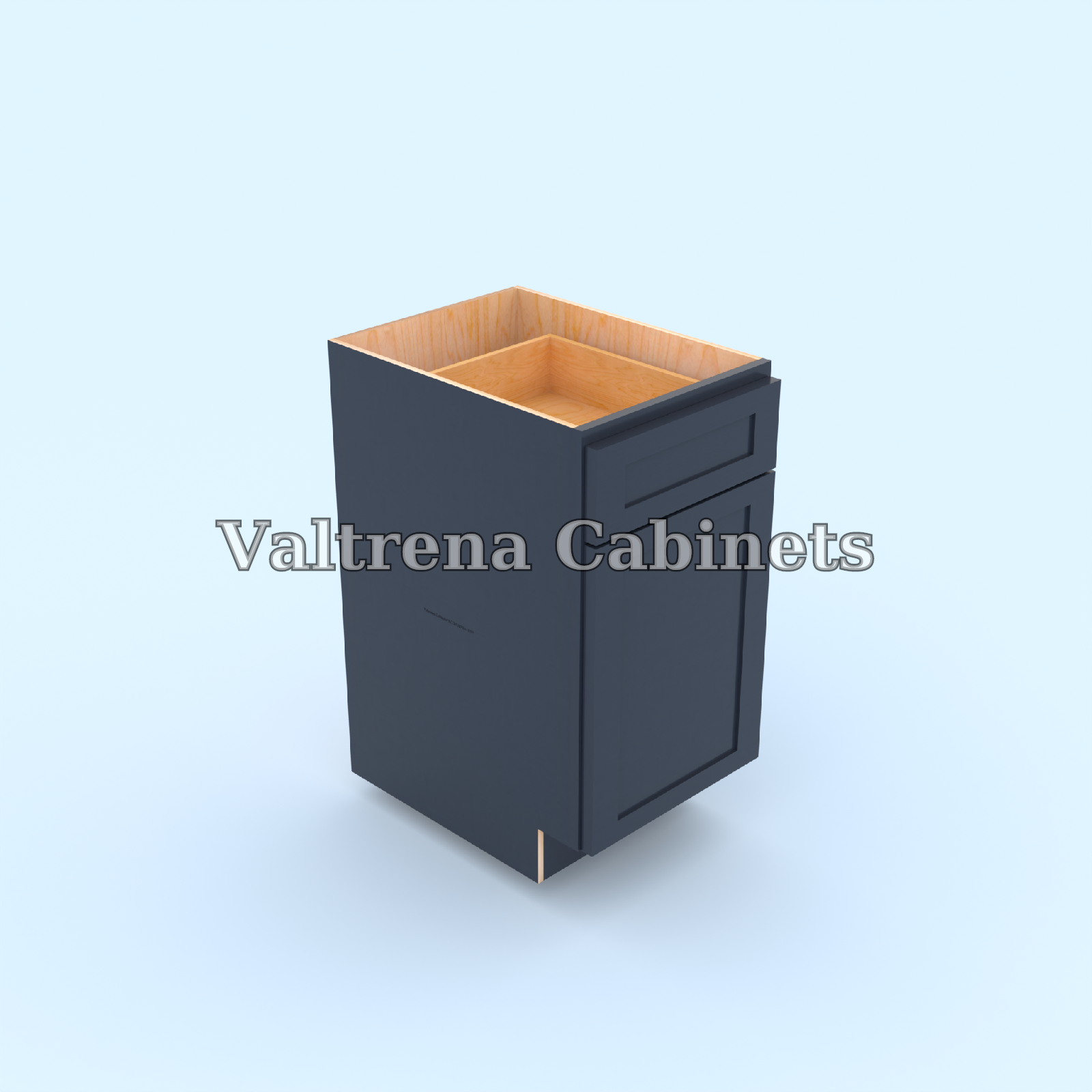
The most common single-door base: a drawer of utensils on top, and behind the door a double pull-out for trash and recycling, or a stack of pots on a roll-out tray. Eighteen inches beside the sink is where most kitchens put it.
About standard base cabinets
The everyday base cabinet: a shallow drawer on top for utensils and wrap, doors below with one shelf for pots, mixing bowls, or small appliances. Cheaper than a drawer base and just as useful for things you do not reach for daily. It fills most of a kitchen's lower run, and a roll-out tray can be added later if you want drawer-style access to the back.
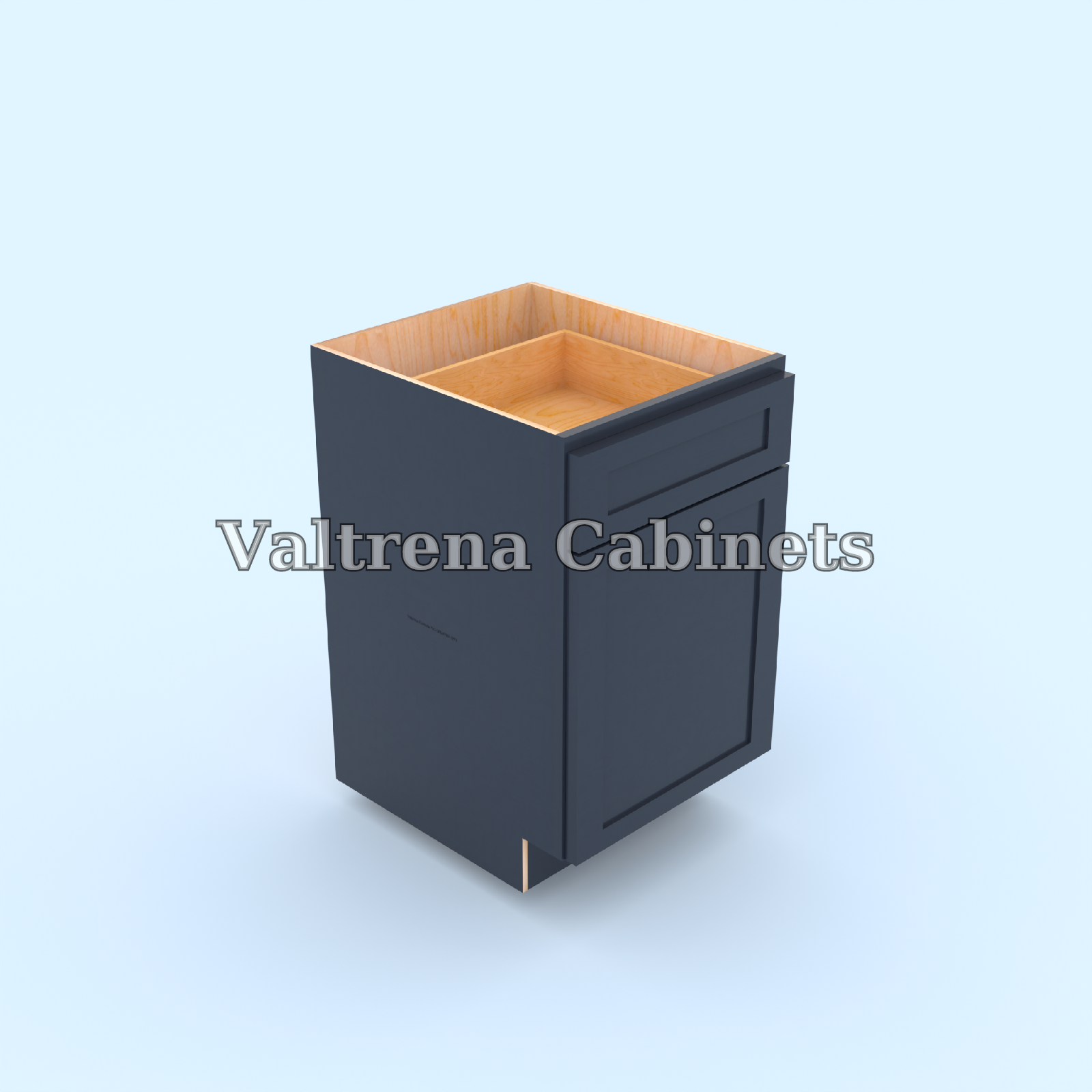
A single door with 3" more than the 18: the slow cooker and the food processor share the shelf with the pots, and the drawer takes the tongs and the peeler. For a run where 21" happens to fit.
About standard base cabinets
The everyday base cabinet: a shallow drawer on top for utensils and wrap, doors below with one shelf for pots, mixing bowls, or small appliances. Cheaper than a drawer base and just as useful for things you do not reach for daily. It fills most of a kitchen's lower run, and a roll-out tray can be added later if you want drawer-style access to the back.
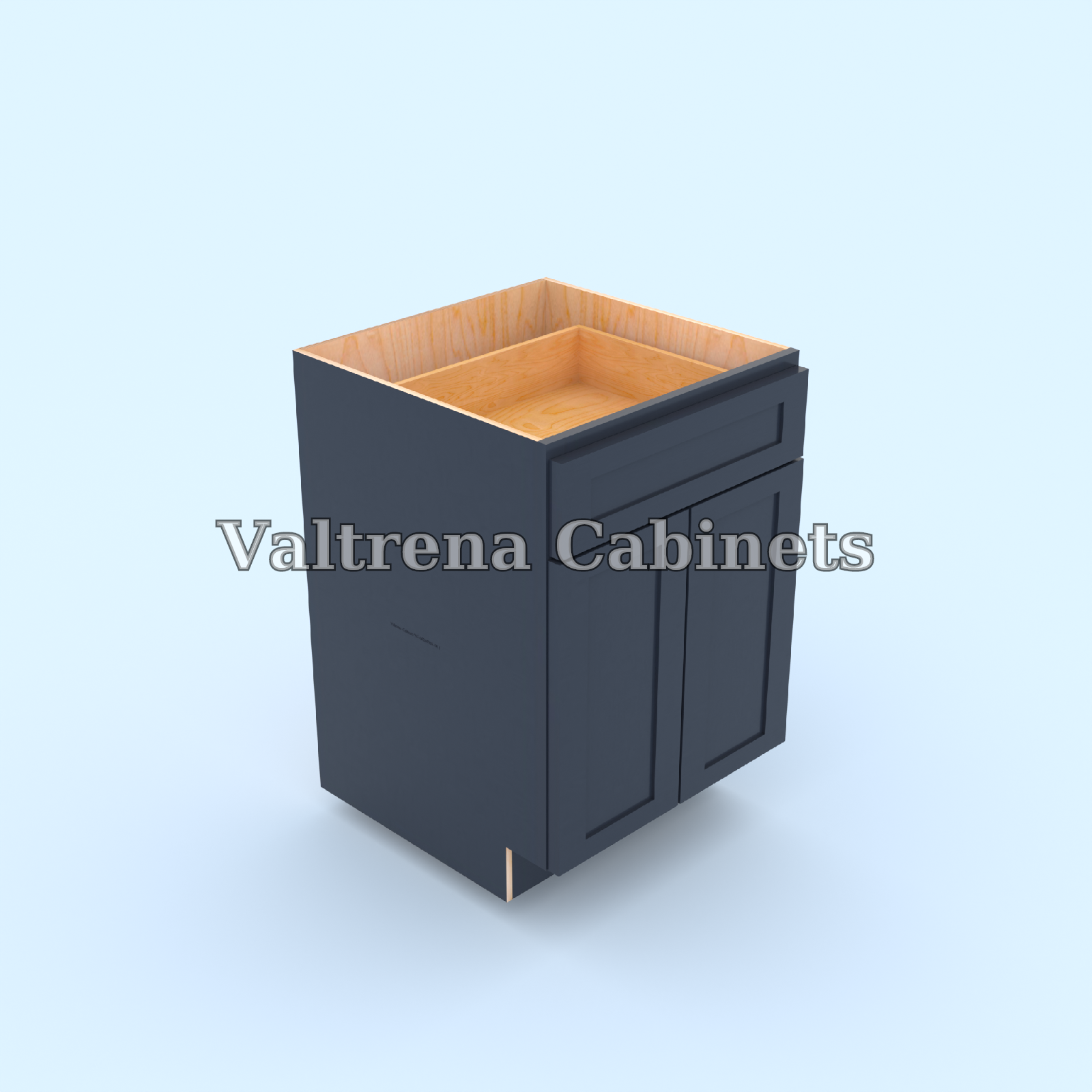
The standard cabinet beside the sink or dishwasher: two doors, one full-width drawer wide enough for a flatware tray, and a shelf below for colanders, storage containers, and the cleaning caddy.
About standard base cabinets
The everyday base cabinet: a shallow drawer on top for utensils and wrap, doors below with one shelf for pots, mixing bowls, or small appliances. Cheaper than a drawer base and just as useful for things you do not reach for daily. It fills most of a kitchen's lower run, and a roll-out tray can be added later if you want drawer-style access to the back.
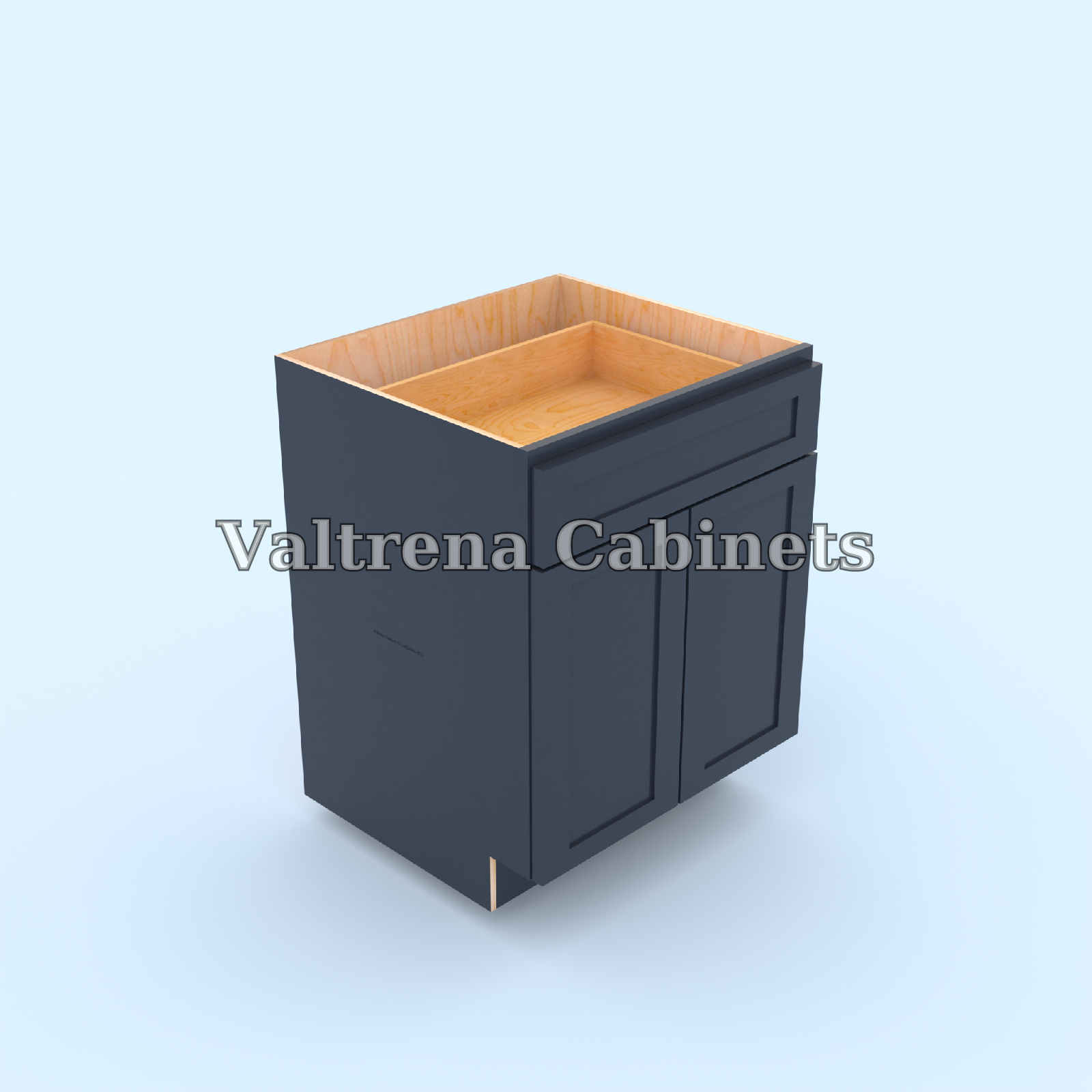
Two doors, one wide drawer, and 3" more shelf than the 24: the same sink-side cabinet for a wall where 27" fits better, with room for the salad spinner next to the colanders.
About standard base cabinets
The everyday base cabinet: a shallow drawer on top for utensils and wrap, doors below with one shelf for pots, mixing bowls, or small appliances. Cheaper than a drawer base and just as useful for things you do not reach for daily. It fills most of a kitchen's lower run, and a roll-out tray can be added later if you want drawer-style access to the back.
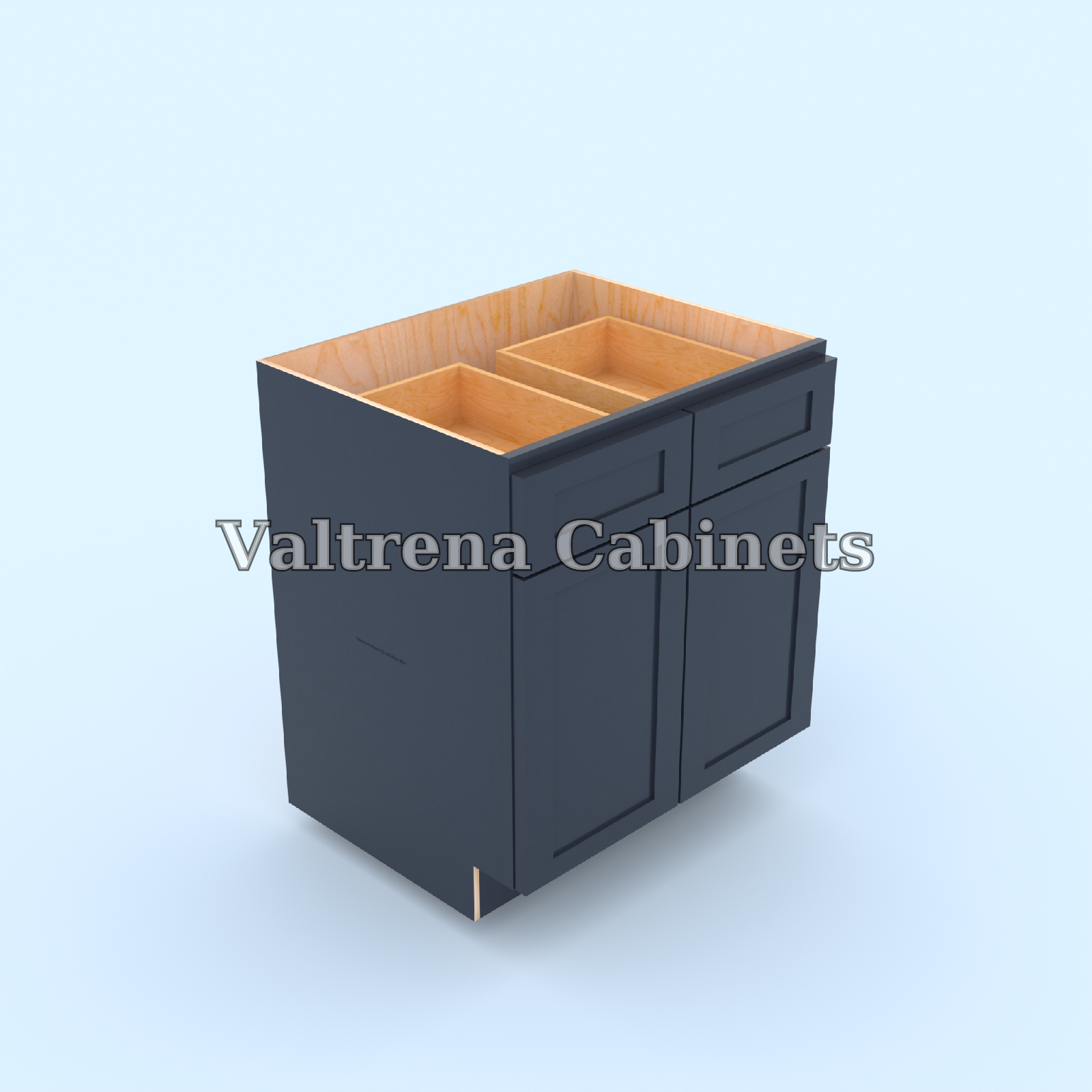
The workhorse base: two doors, two drawers. Beside a 30" range it holds the pots and the bakeware; on an island it holds everyday dishes and serving bowls, with two drawers of utensils on top.
About standard base cabinets
The everyday base cabinet: a shallow drawer on top for utensils and wrap, doors below with one shelf for pots, mixing bowls, or small appliances. Cheaper than a drawer base and just as useful for things you do not reach for daily. It fills most of a kitchen's lower run, and a roll-out tray can be added later if you want drawer-style access to the back.
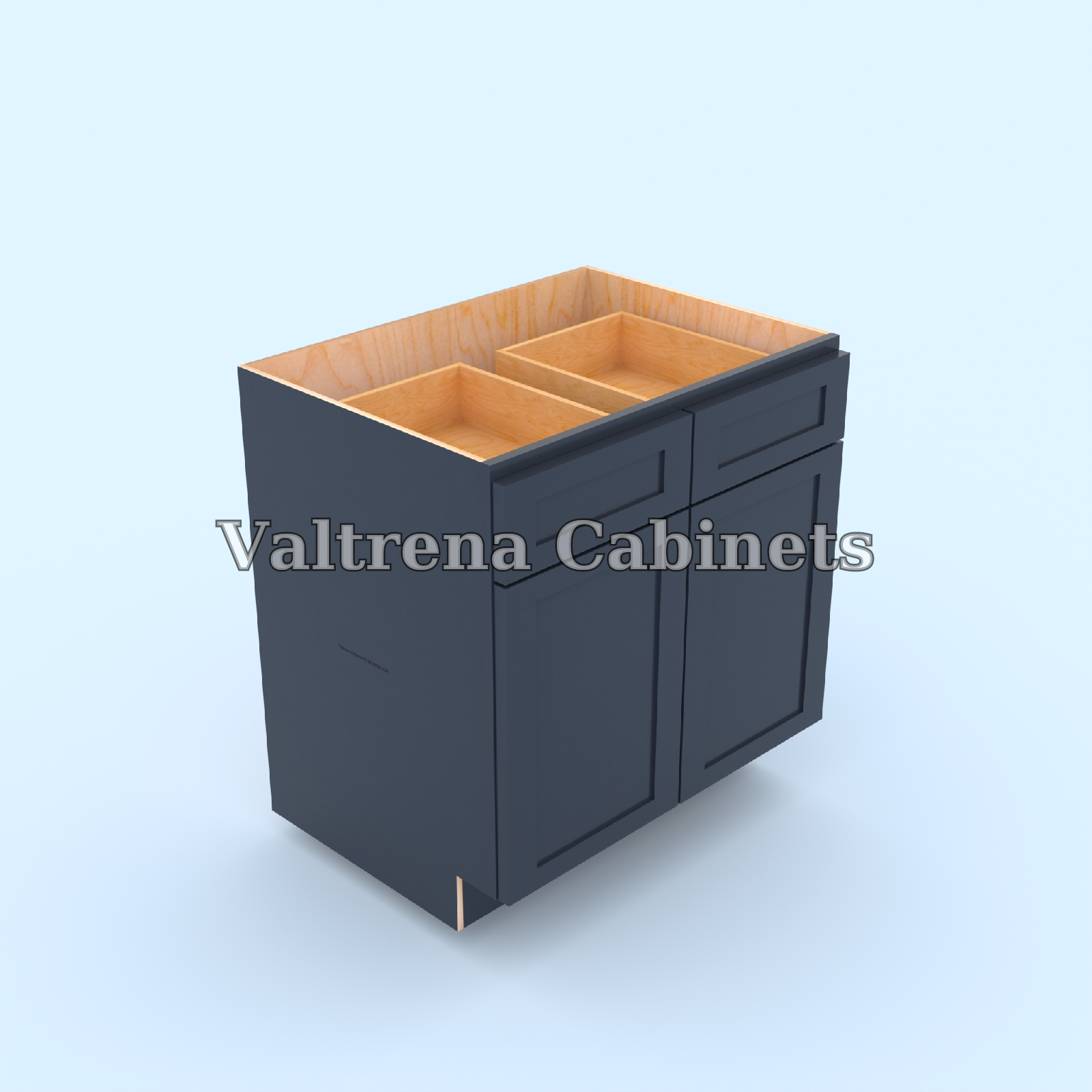
Two doors, two drawers, and a shelf big enough for a stand mixer. It sits under a 33" wall cabinet or across from a 33" sink base so the seams line up.
About standard base cabinets
The everyday base cabinet: a shallow drawer on top for utensils and wrap, doors below with one shelf for pots, mixing bowls, or small appliances. Cheaper than a drawer base and just as useful for things you do not reach for daily. It fills most of a kitchen's lower run, and a roll-out tray can be added later if you want drawer-style access to the back.
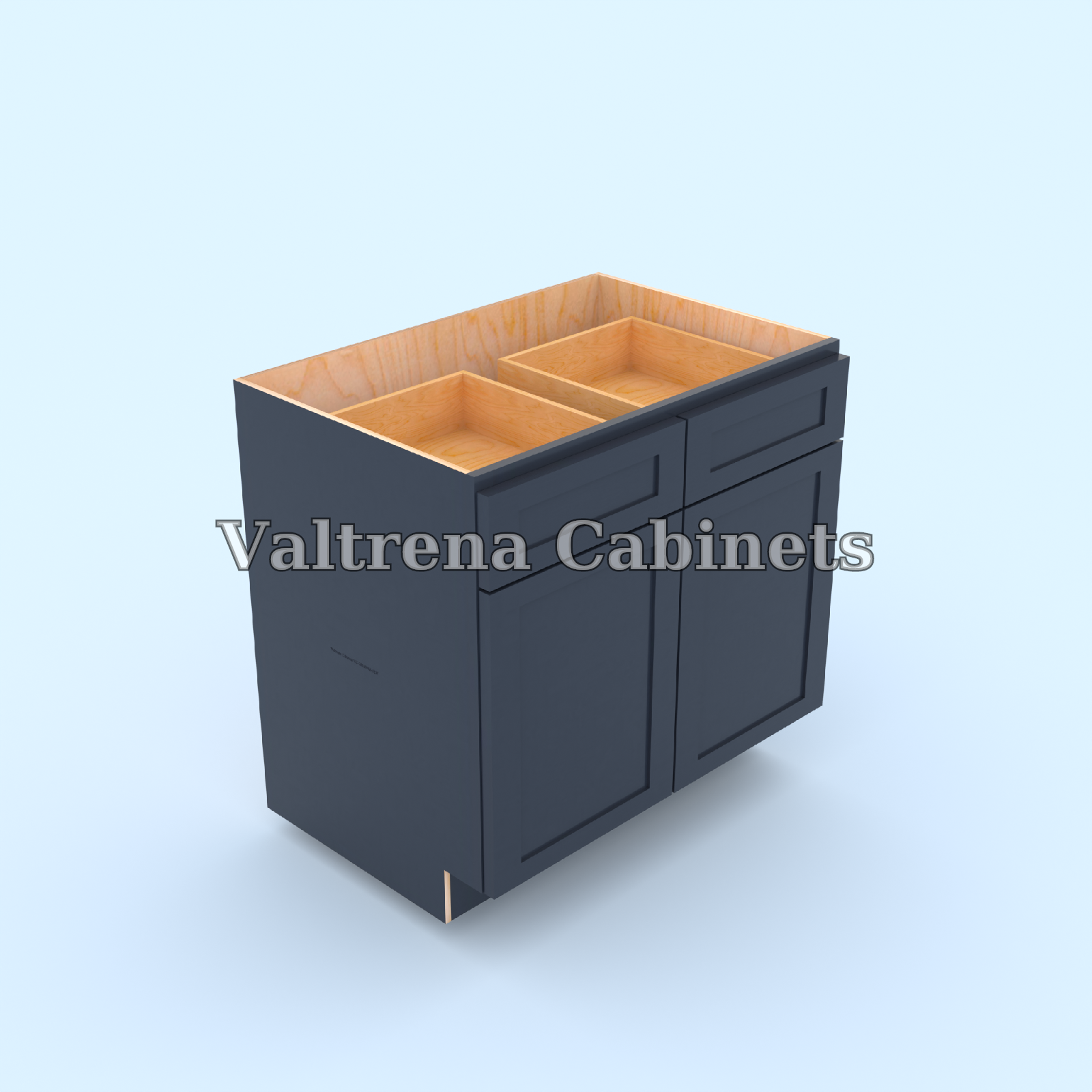
The widest common door base: two doors, two drawers, and room for the stockpot, the roasting pan, and the mixer in one cabinet. Often under a 36" cooktop when you prefer doors to drawers.
About standard base cabinets
The everyday base cabinet: a shallow drawer on top for utensils and wrap, doors below with one shelf for pots, mixing bowls, or small appliances. Cheaper than a drawer base and just as useful for things you do not reach for daily. It fills most of a kitchen's lower run, and a roll-out tray can be added later if you want drawer-style access to the back.
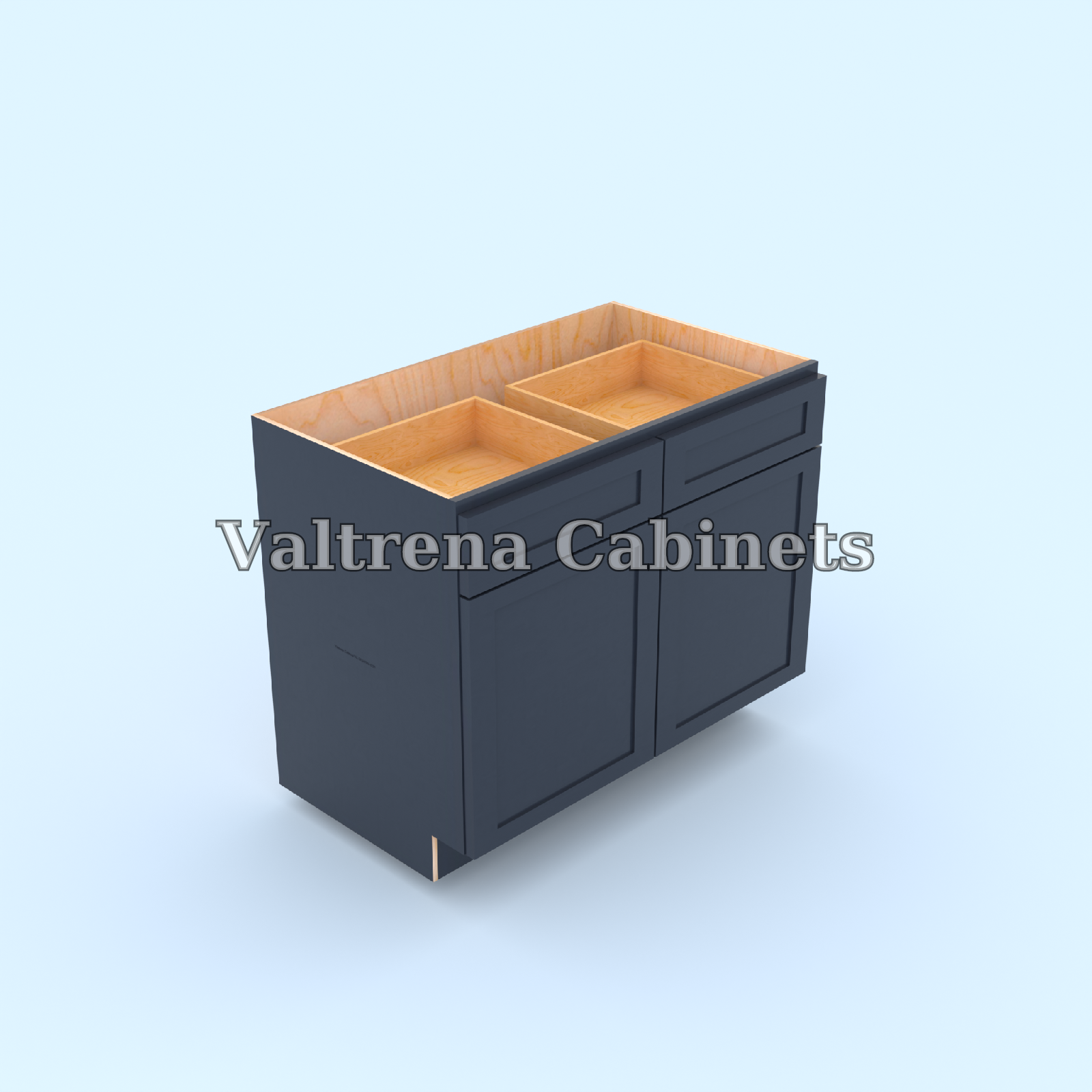
The biggest door base, usually under a 42" span on an island or peninsula: two doors, two drawers, and two full shelves of serving platters and small appliances.
About standard base cabinets
The everyday base cabinet: a shallow drawer on top for utensils and wrap, doors below with one shelf for pots, mixing bowls, or small appliances. Cheaper than a drawer base and just as useful for things you do not reach for daily. It fills most of a kitchen's lower run, and a roll-out tray can be added later if you want drawer-style access to the back.
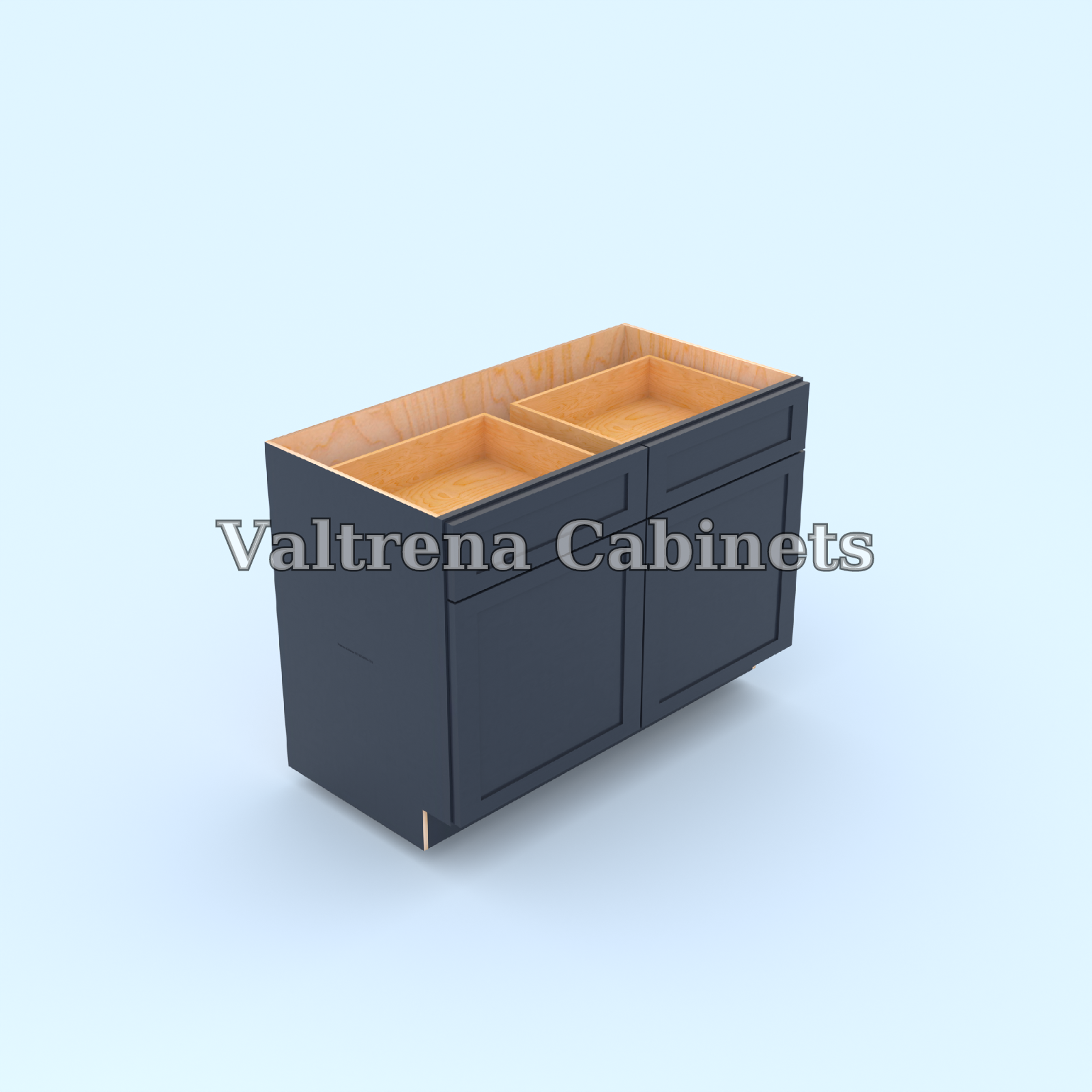
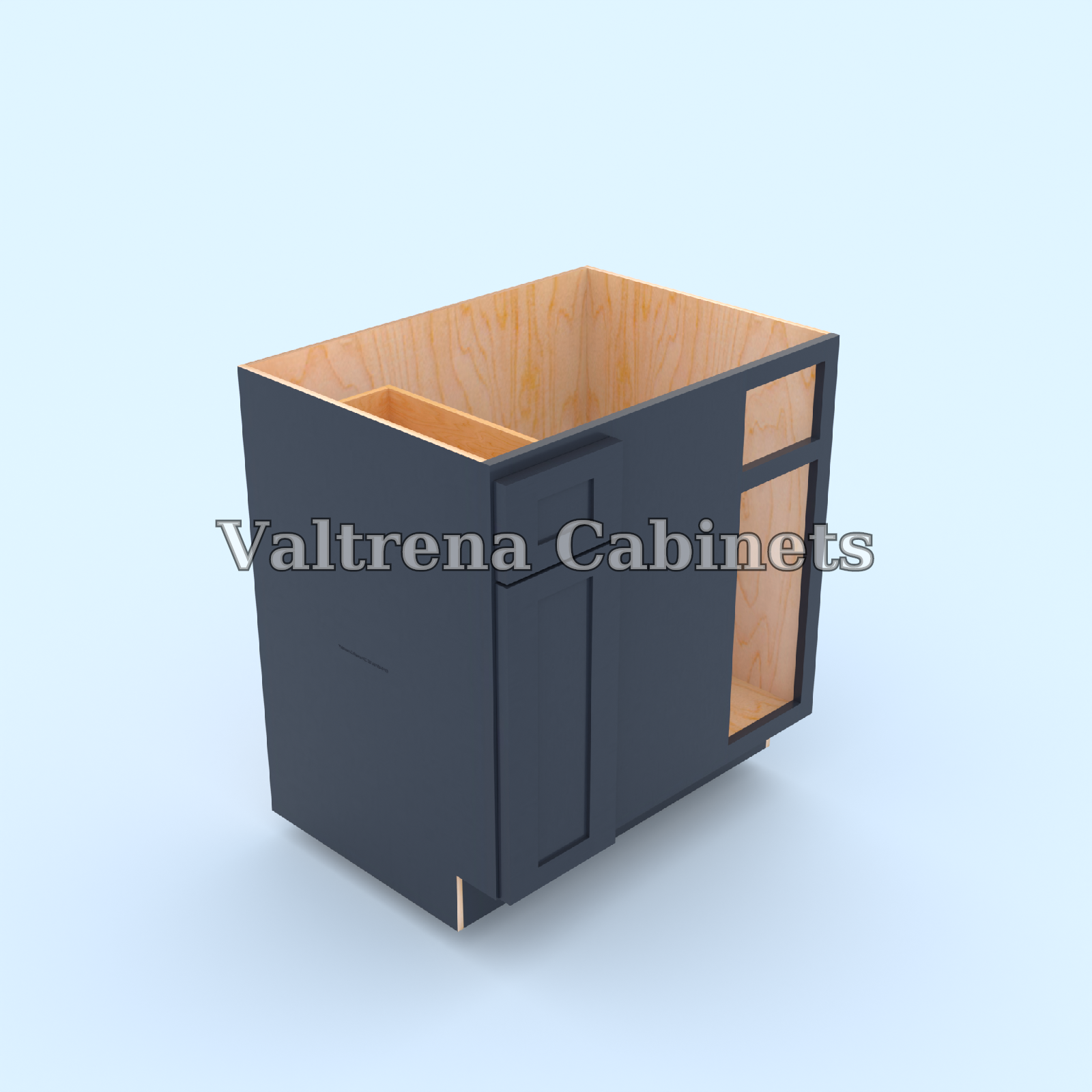
The cheapest way into a base corner: a door and drawer you see, and a hidden half behind the next wall's cabinet for the roaster and the punch bowl. Covers 36" to 39" of wall from the corner (the box itself is 33"); pair it with a 3" filler and the cabinet on the other wall.
About blind corner base cabinets
The blind corner: a plain door-and-drawer cabinet whose other half tucks behind the cabinet on the next wall. The cheapest way to build into a corner and the deepest storage in the kitchen, for things you fetch a few times a year. It slides out from the corner up to 3" so it can meet the next run exactly, and it works on the left or the right.
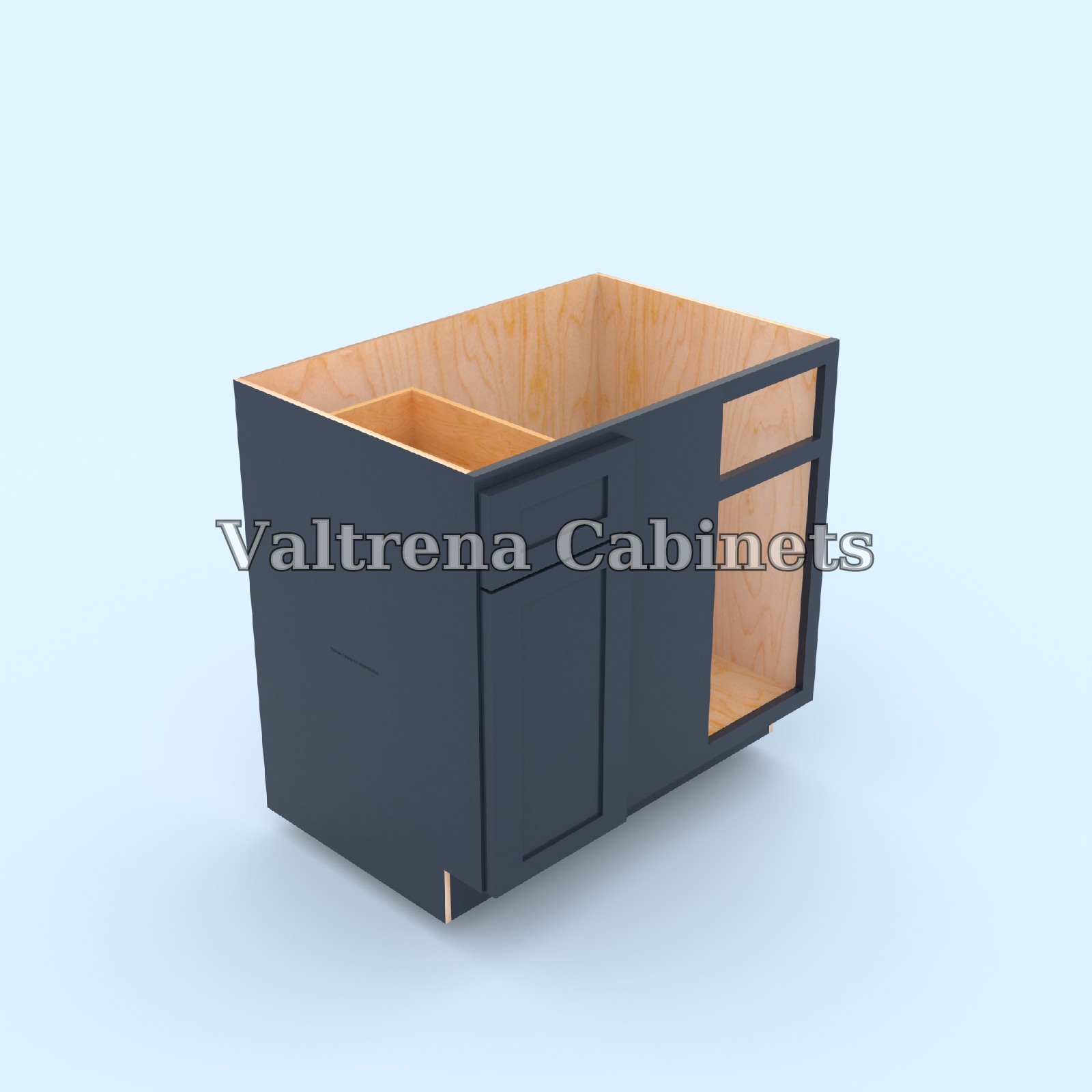
A blind corner with a wider door than the 36, for getting the roaster in and out: covers 39" to 42" of wall from the corner (36" box), the hidden half tucked behind the next wall's cabinet.
About blind corner base cabinets
The blind corner: a plain door-and-drawer cabinet whose other half tucks behind the cabinet on the next wall. The cheapest way to build into a corner and the deepest storage in the kitchen, for things you fetch a few times a year. It slides out from the corner up to 3" so it can meet the next run exactly, and it works on the left or the right.
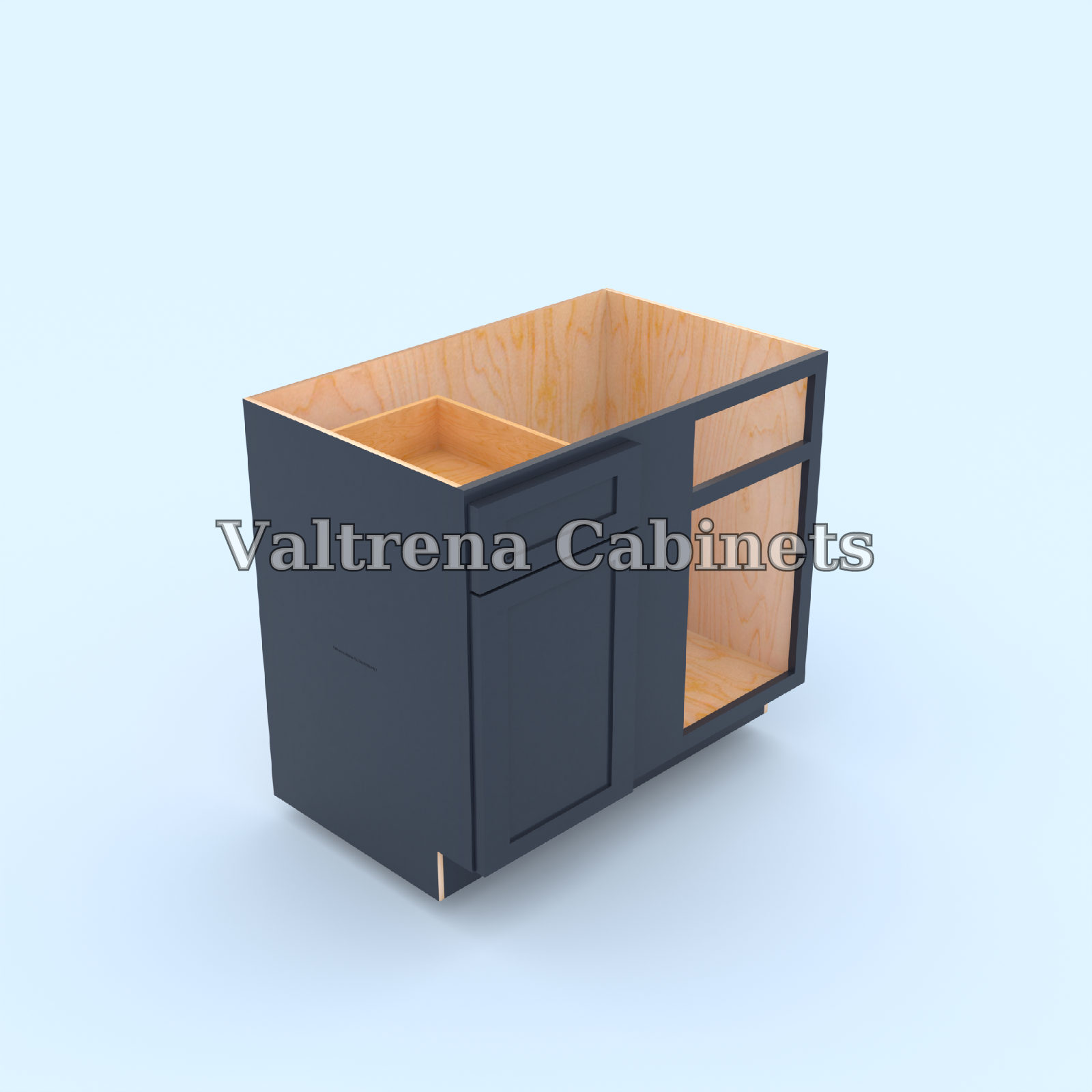
The most comfortable blind corner to use: a full-size door and drawer, covering 42" to 45" of wall from the corner (39" box), with the deep hidden half for the holiday platters.
About blind corner base cabinets
The blind corner: a plain door-and-drawer cabinet whose other half tucks behind the cabinet on the next wall. The cheapest way to build into a corner and the deepest storage in the kitchen, for things you fetch a few times a year. It slides out from the corner up to 3" so it can meet the next run exactly, and it works on the left or the right.
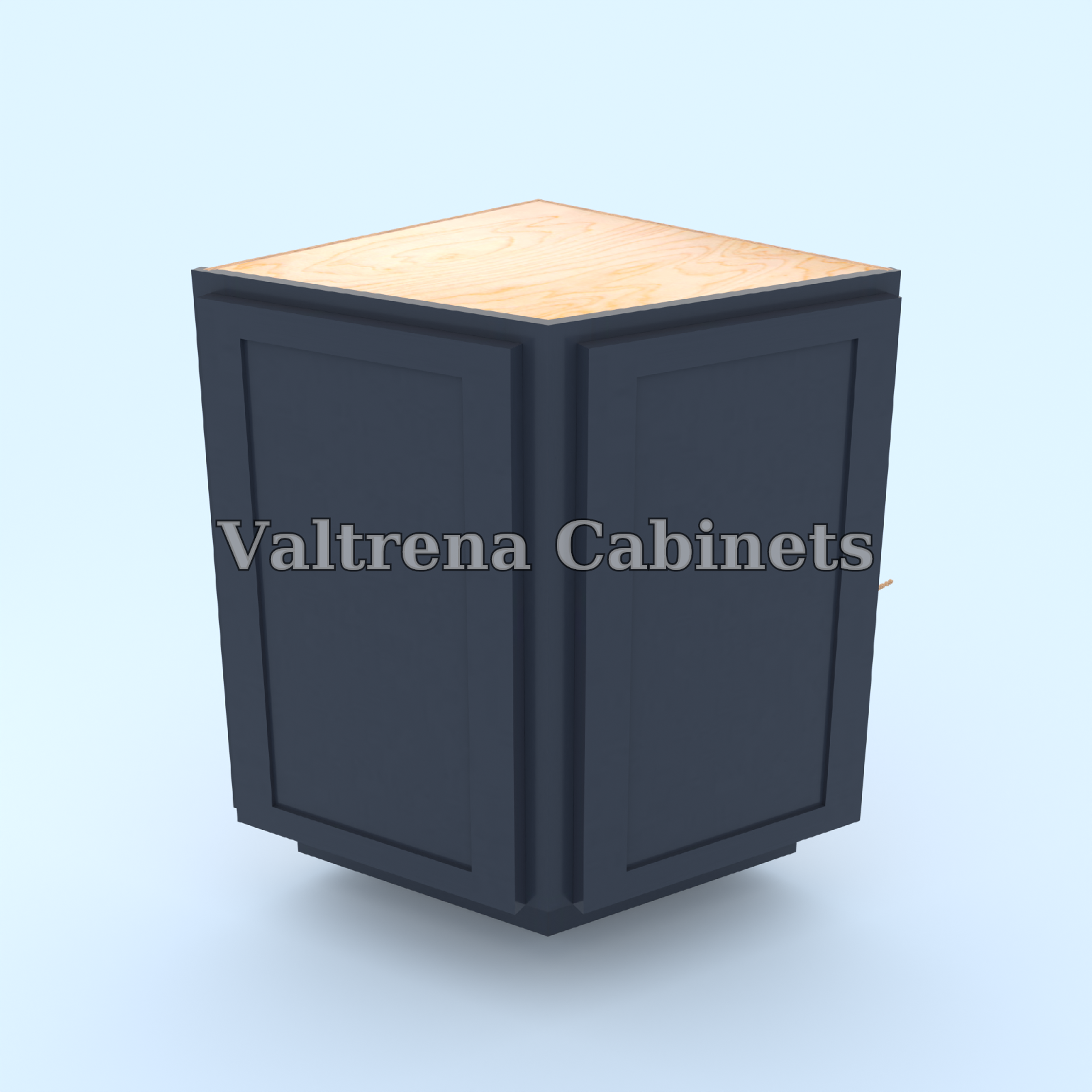
Finishes the end of a base run with an angled front instead of a square corner, so people walking past do not catch a hip, and the cabinet still opens with two doors. Common at the end of a peninsula or where a run meets a doorway.
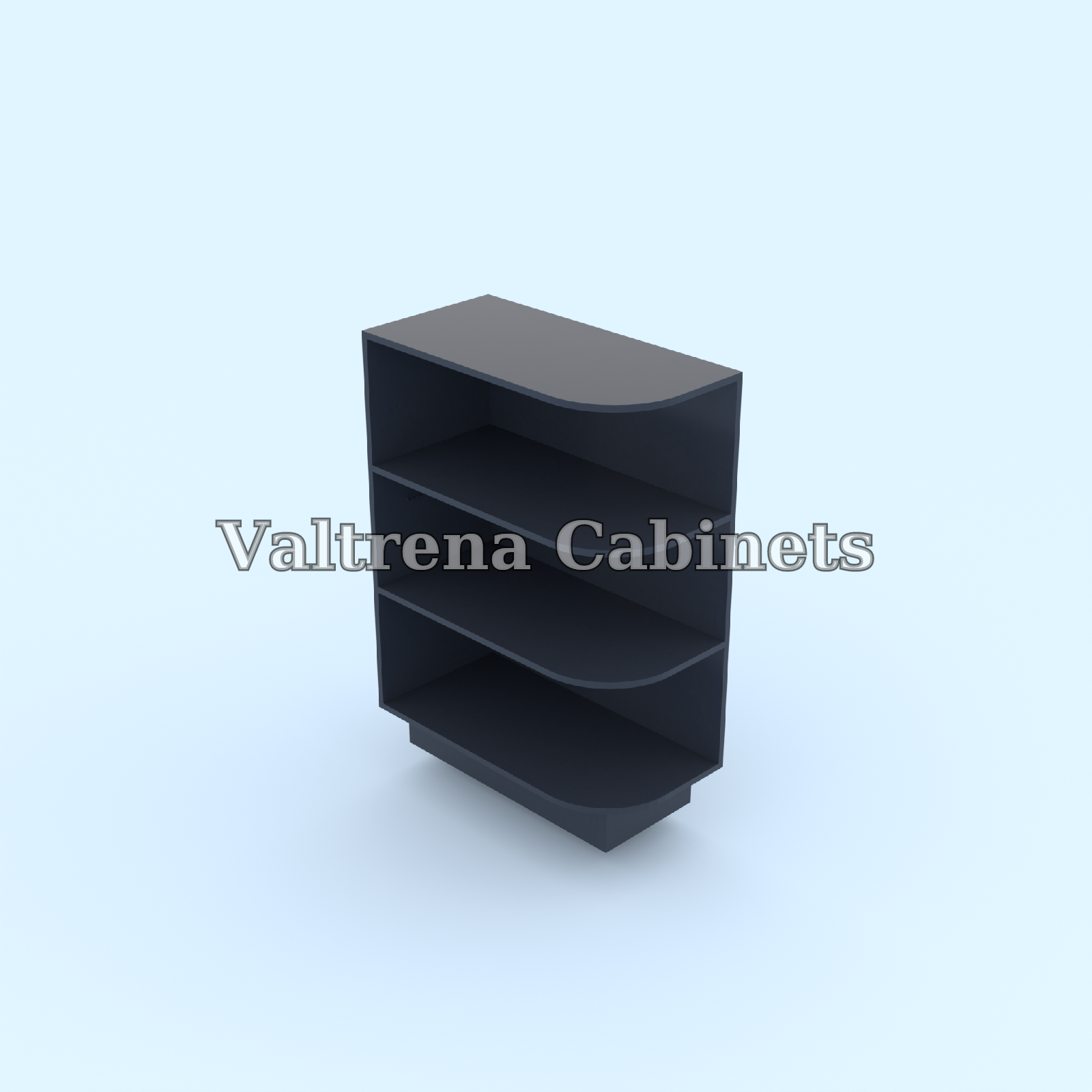
Open shelves at the end of a base run: no door, just shelves finished on every visible side, for cookbooks, a few bowls, or the dog's things. A softer end to a run than a flat panel, and it works on the left or right end.